

What To Do When Your New Mexico Land Lacks Utilities
March 3, 2026 10:57 am PST

Buying vacant land in New Mexico opens the door to privacy, space, and long-term opportunity. Many rural properties, however, do not include basic utilities. You might not see power lines, public water, sewer connections, or even paved road access.
That situation does not mean you made a bad purchase. It means you need a plan. When you understand your options, you can turn raw land into usable property that fits your goals.
Below, you’ll find clear steps to take when your New Mexico land lacks utilities and how to move forward with confidence.
Why Do Many New Mexico Properties Lack Utilities?
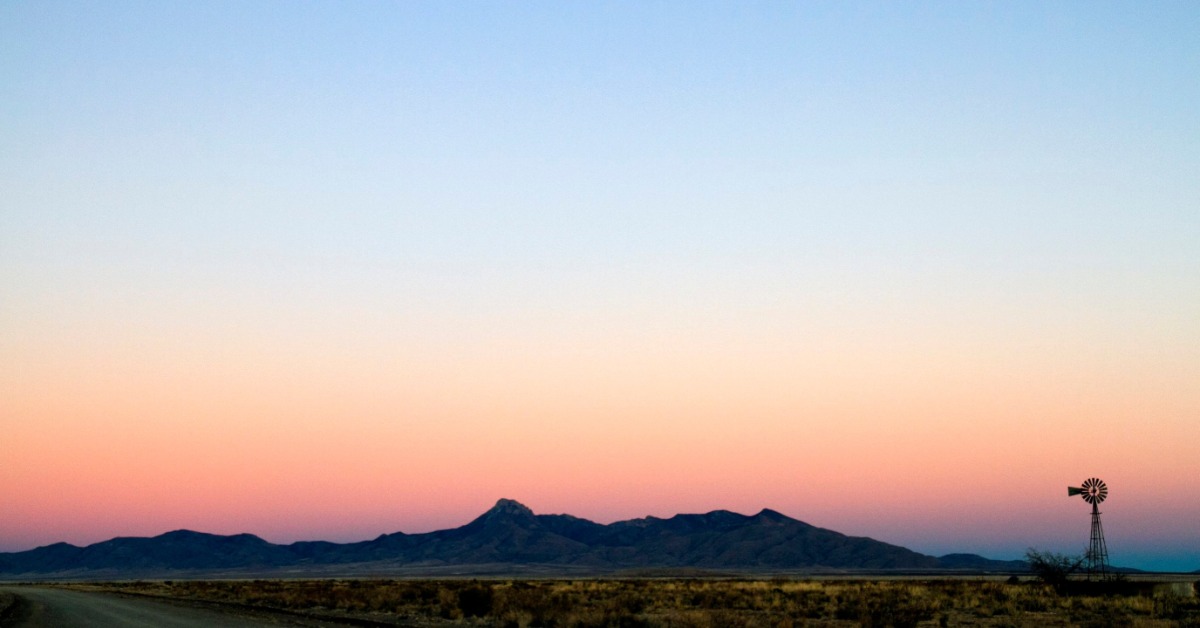
Large portions of New Mexico remain rural and undeveloped. Counties often stretch across wide desert landscapes, mountain terrain, and open plains. Utility companies do not extend infrastructure into every remote area.
Developers also do not install utilities on every parcel before selling. Many buyers specifically look for untouched property for recreation, homesteading, or long-term investment. If you have explored New Mexico lots for sale, you have likely noticed how common off-grid parcels are across the state.
Understanding this context helps you focus on solutions instead of worrying about limitations.
How Can You Determine What Utilities Are Available Nearby?
Before you install anything, confirm what already exists near your property.
Start by contacting:
- The local electric cooperative or utility provider
- The county planning and zoning department
- The local water authority
- The county health department
Ask whether utility lines run near your parcel and what it would cost to extend service. In some cases, power lines sit only a few hundred feet away. In others, you may need to install several poles at your own expense.
What Should You Do First If There Is No Electricity?
Electricity usually ranks as the first concern for new landowners. You have two main paths: extend grid power or install an off-grid system.
If the grid sits nearby, request a written estimate from the utility company. Extension costs depend on distance, terrain, and required equipment. Rural extensions can cost several thousand dollars per pole.
If the grid sits too far away, solar power often makes more financial sense. New Mexico receives abundant sunshine year-round. A properly sized solar system can power a home, cabin, RV setup, or workshop.
Many landowners choose solar even when grid power exists because it offers independence and long-term savings.
How Can You Secure Water on Undeveloped Land?
Water access requires careful planning. Most rural New Mexico properties rely on private wells or water delivery.
Start by checking whether neighboring parcels have functioning wells. County records often show well permits and depth information. Local well drillers can provide estimates and typical drilling depths for your area.
If drilling a well does not fit your budget, consider hauling water and storing it in a cistern. Many rural residents use large water storage tanks and schedule regular deliveries.
Before drilling, always confirm local regulations and permitting requirements. Water rights rules vary by location, so you need accurate information from county or state authorities.
What Are Your Options for Waste and Septic?
Without public sewer access, you will need a septic system or alternative waste solution.
Most counties require:
- A soil percolation (perc) test
- An approved septic system design
- A permit before installation
The perc test determines how well the soil absorbs water. That result affects the type and size of system you must install.
If you plan to build later, complete the perc test early. The results influence building location and overall feasibility.
How Do You Handle Road Access and Driveways?
Utility access means little if you cannot reach your property safely.
Confirm whether your land includes legal access. A deeded easement or direct road frontage protects your long-term use. Without legal access, you may need to negotiate with neighboring landowners.
Even with legal access, you might need to improve the road or install a driveway. Gravel driveways, culverts, and grading help prevent erosion and washouts during heavy rains.
Should You Consider an Off-Grid Lifestyle?
When utilities sit far away, many landowners embrace off-grid living instead of fighting it.
Off-grid setups often include:
- Solar panels with battery storage
- Propane for cooking and backup heat
- Rainwater catchment systems
- Composting or alternative toilet systems
New Mexico’s climate supports solar production and water storage solutions. If you value independence, an off-grid approach can reduce monthly bills and long-term infrastructure costs.
You do not need to build immediately. You can develop your property in phases as your budget allows.
How Much Should You Budget for Utility Installation?
Costs vary widely based on location and terrain. You should request written estimates whenever possible.
Here are general ranges you may encounter:
- Power line extension: Several thousand to tens of thousands of dollars
- Solar system installation: $10,000–$30,000+ depending on size
- Well drilling: $20–$40 per foot plus equipment
- Septic system installation: $5,000–$15,000+
- Driveway installation: Varies by length and materials
These numbers shift based on county regulations and market rates. Always confirm current pricing with licensed professionals in your area.
What Permits and Regulations Should You Check?
Each New Mexico county sets its own rules. Before installing utilities, contact local offices to confirm:
- Zoning classification
- Building restrictions
- Minimum dwelling size
- Setback requirements
- Septic and well permitting process
Do not assume rules match neighboring counties. Regulations can change from one jurisdiction to another.
You should also verify any HOA requirements if your property sits within a subdivision.
Can You Use the Land Before Installing Utilities?
Yes, you can often use vacant land for recreation even without utilities.
Many landowners use rural property for:
- Camping
- RV stays
- Hunting and fishing
- Storage
- Seasonal retreats
Check local ordinances regarding long-term RV living or temporary structures. Some counties limit how long you can occupy land without a permitted dwelling.
Using the property before full development allows you to enjoy your investment while planning improvements.
How Do You Prioritize Which Utilities to Install First?
You do not need to install everything at once. Prioritize based on your intended use.
If you plan to build a full-time residence, focus on:
- Water access
- Septic approval
- Power installation
If you plan to camp or visit occasionally, you may start with:
- Access improvements
- Temporary power solutions
- Water storage
Your long-term goals determine your development sequence.
What If You Decide Not To Develop Immediately?
Not every buyer plans to build right away. Many investors purchase land and hold it for future appreciation.
If you choose to wait:
- Keep property taxes current
- Maintain clear access
- Monitor zoning changes
- Check on utility expansion in the area
Infrastructure sometimes expands over time. A parcel without utilities today may sit closer to services in a few years. Patience can turn a raw parcel into a stronger long-term asset.
How Can You Move Forward With Confidence?
Land without utilities requires research, not panic. When you gather accurate information, compare costs, and clarify your goals, you can create a realistic plan.
Start with county offices and local service providers. Request written estimates. Confirm access and permitting requirements. Then build a phased strategy that fits your timeline and budget.
Many buyers specifically seek rural property because it offers flexibility and freedom. With the right preparation, you can turn undeveloped New Mexico land into a functional space for recreation, homesteading, or investment.
If you want to explore available properties and compare locations, visit Land Limited to view current listings and find land that fits your long-term vision.

