

Is Buying Land in Alaska Worth It? Pros & Cons
March 3, 2026 11:00 am PST

Alaska attracts people who want space, freedom, and opportunity. Vast wilderness, low population density, and unique investment potential make it stand out from other states. At the same time, Alaska presents challenges that buyers cannot ignore.
If you consider purchasing property there, you need a clear understanding of both the advantages and the trade-offs. Below, you’ll find a practical breakdown of the key pros and cons to help you decide whether buying land in Alaska fits your goals.
Why Do People Buy Land in Alaska?
Many buyers choose Alaska for independence and long-term potential. The state offers millions of acres of undeveloped land, often at lower prices per acre than many parts of the Lower 48.
Buyers often pursue:
- Recreational use such as hunting and fishing
- Off-grid living and homesteading
- Long-term land investment
- Seasonal cabins or remote retreats
- Privacy and personal space
Alaska appeals to people who value self-reliance and outdoor lifestyles.
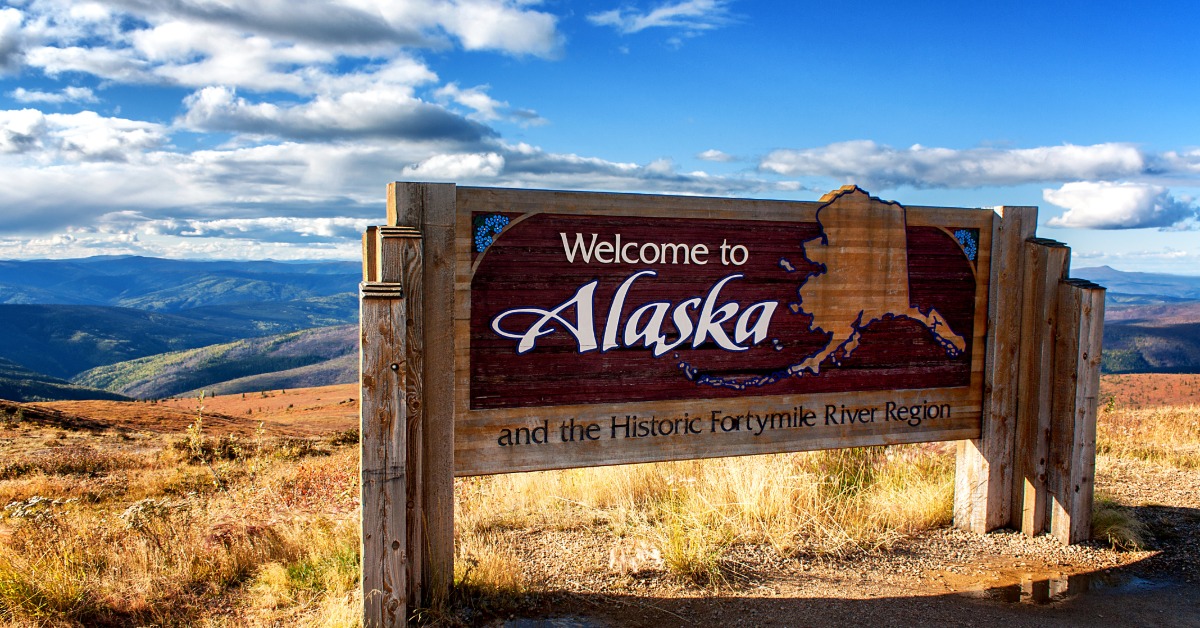
What Are the Biggest Advantages of Buying Land in Alaska?
Alaska offers several strong advantages that continue to attract buyers from across the country.
1. Large Amounts of Available Land
Alaska contains more than 365 million acres of land. Much of it remains undeveloped. This availability creates opportunity for buyers who want space without close neighbors.
You can often find large parcels compared to similarly priced properties in other states.
2. Lower Purchase Prices in Many Areas
In remote regions, land prices remain relatively affordable. Buyers with modest budgets can often secure acreage that would cost significantly more elsewhere.
However, price depends heavily on location and access. Parcels near towns or road systems usually cost more.
3. No State Income Tax
Alaska does not collect state income tax. The state also does not impose a statewide sales tax. That tax structure appeals to investors and long-term residents.
Lower tax burdens can improve the long-term cost picture for some buyers.
4. Strong Appeal for Off-Grid Living
Alaska supports a culture of self-sufficiency. Many parcels do not connect to public utilities, which encourages alternative energy solutions like solar, generators, and rainwater collection.
Some buyers actively search for land for sale in Alaska off the grid because they want full independence from municipal systems.
5. Recreational and Natural Resource Access
Alaska offers unmatched outdoor opportunities. Owners gain access to:
- Hunting grounds
- Fishing rivers and lakes
- Snowmobiling trails
- Hiking and wilderness exploration
For outdoor enthusiasts, land ownership often doubles as lifestyle access.
What Are the Main Disadvantages of Buying Land in Alaska?
Alaska’s advantages come with serious considerations. Buyers must weigh these carefully.
1. Harsh Climate Conditions
Winters in Alaska bring extreme cold, heavy snowfall, and limited daylight. Remote parcels may become difficult or impossible to access during certain seasons. You must plan for weather challenges year-round.
2. Limited Road Access
Many properties lack direct road access. Some require boat, ATV, or bush plane travel. Limited access increases transportation costs and reduces convenience.
If you need year-round access, you must verify road conditions and legal easements before buying.
3. Higher Development Costs
While raw land may cost less, development expenses often cost more. Transporting materials, hiring contractors, and installing utilities can add up quickly.
You may need to budget for:
- Septic installation
- Well drilling
- Alternative power systems
- Land clearing
Remote logistics drive many of these costs higher than national averages.
4. Financing Can Be More Difficult
Traditional lenders sometimes hesitate to finance vacant land, especially in remote Alaskan regions. Many buyers choose cash purchases or seller financing. If you rely on bank financing, confirm eligibility early in the process.
5. Short Construction Season
Alaska’s climate shortens the building season. Frozen ground and weather delays can slow development plans. You must coordinate construction carefully and prepare for seasonal pauses.
Does Alaska Offer Good Investment Potential?
Alaska can provide long-term investment potential, but results depend on location and strategy.
Areas near growing communities or transportation hubs may experience appreciation. Recreational demand also supports certain rural markets.
However, extremely remote parcels may take longer to resell. Liquidity often varies by region.
Before buying, research:
- Population trends
- Infrastructure development
- Access improvements
- Local zoning rules
You should match your investment timeline with realistic market expectations.
How Does Access Impact Land Value in Alaska?
Access plays a major role in both value and usability. Road-accessible land typically commands higher prices. It also offers easier development and resale potential.
Landlocked or fly-in properties may cost less upfront but require more effort to use. If you plan to build or visit frequently, access becomes even more important.
Always verify legal access rights before purchasing.
What Should You Know About Utilities and Infrastructure?
Many Alaska parcels lack public utilities. You must plan for self-sustaining systems.
Common infrastructure solutions include:
- Solar panels with battery storage
- Diesel or propane generators
- Private wells
- Septic systems
- Rainwater collection
You should calculate these installation costs early. Infrastructure planning often determines whether a property fits your budget.
Are There Zoning and Land Use Restrictions?
Zoning varies by borough and region. Some remote areas have minimal restrictions, while others enforce specific development standards.
Before purchasing, confirm:
- Zoning classification
- Building permit requirements
- Environmental limitations
- Access easements
Local regulations directly affect how you can use the land.
How Does Alaska’s Remote Nature Affect Daily Living?
Living or spending time on remote land requires preparation. Grocery stores, medical facilities, and hardware suppliers may sit hours away.
You must plan for:
- Fuel storage
- Emergency supplies
- Backup power
- Transportation reliability
Remote ownership works best for individuals comfortable with logistical planning.
Who Benefits Most From Buying Land in Alaska?
Alaska fits certain buyer profiles particularly well.
It works best for people who:
- Value privacy and isolation
- Enjoy outdoor recreation
- Accept weather challenges
- Plan for long-term ownership
- Feel comfortable managing off-grid systems
If convenience and urban amenities rank high on your list, Alaska may not align with your priorities.
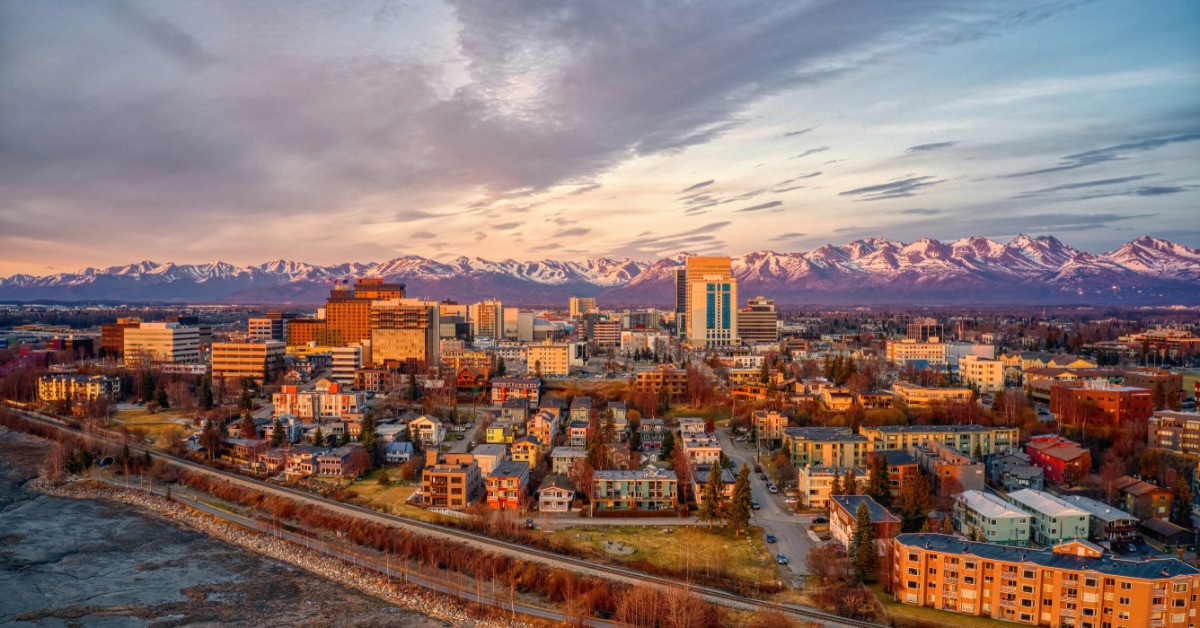
Is Buying Land in Alaska Worth It for Homesteading?
Homesteading remains a popular reason people consider Alaska. Large parcels, limited zoning in some areas, and abundant natural resources support self-sufficient living.
However, success depends on preparation. Soil conditions, growing seasons, and access to water vary widely by region. You must research specific areas rather than assume uniform conditions statewide. Careful planning increases the likelihood of a sustainable homestead.
How Should You Evaluate a Parcel Before Buying?
Due diligence matters more in Alaska than in many other states. Remote conditions amplify small oversights.
You should confirm:
- Legal access
- Property boundaries
- Zoning classification
- Utility options
- Seasonal accessibility
- Floodplain or environmental restrictions
Buyers who complete thorough research avoid costly surprises later.
Final Thoughts: Is Buying Land in Alaska Worth It?
Buying land in Alaska offers opportunity, freedom, and long-term potential. It also requires resilience, planning, and realistic expectations.
If you want privacy, recreation, or off-grid independence, Alaska can provide unmatched advantages. If you prioritize convenience, quick resale, or low development effort, the challenges may outweigh the benefits.
The decision ultimately depends on your goals, budget, and willingness to adapt to Alaska’s unique environment. With careful evaluation and proper planning, many buyers find that Alaska land delivers exactly what they seek—space, independence, and opportunity.

