

Why Colorado Land Investment Is Growing Rapidly
December 17, 2025 8:16 am PST

For many people, the state of Colorado represents the ultimate American dream. The stunning Rocky Mountains, the vast plains, and the endless outdoor activities create a picture of freedom and adventure. However, recent trends show that people see Colorado as more than just a vacation destination. Investors and individuals alike are turning their attention to the Centennial State for financial opportunities. The market for land here is moving quickly, and understanding the reasons behind this surge can help you make smart decisions for your portfolio.
Buying raw land might feel intimidating if you have never done it before. You might worry about zoning, access, or market volatility. These are valid concerns, but the current data suggests that Colorado offers a unique blend of stability and growth potential. The state combines a robust economy with a lifestyle that appeals to a massive demographic. Here we break down exactly why land investment in Colorado is growing so fast and why it remains a smart move for your financial future.
Population Growth Increases Demand for Housing
The most significant driver of land value is simple supply and demand. Colorado has seen a consistent influx of new residents over the last decade. People are moving here from crowded coastal cities and expensive metropolitan areas in search of a better quality of life. This migration pattern directly impacts the land market. As the population swells, the need for new housing developments rises. Developers need raw land to build subdivisions, apartment complexes, and single-family homes.
When you hold a piece of land in a growing area, you position yourself to meet this future demand. You do not necessarily need to build on the land yourself. Many investors purchase undeveloped parcels and hold them until a developer is ready to buy. The expanding population pushes city boundaries outward, turning rural land into suburban gold mines. This steady stream of new residents provides a strong safety net for land investors, as the fundamental need for space continues to grow.
The Booming Tourism Industry Supports Rentals
Colorado attracts millions of visitors every year. They come for world-class skiing in the winter, hiking in the summer, and the golden aspens in the fall. This year-round tourism industry creates a lucrative opportunity for landowners. Investors are snapping up properties to build short-term vacation rentals. A cabin near a ski resort or a campsite near a national park can generate significant monthly income.
Even if you do not want to manage a building, the tourism sector supports land values. Glamping (glamorous camping) has become a massive trend. Landowners can lease their property to glamping operators or set up simple yurts for visitors. The state's natural beauty does the heavy lifting for you. As long as tourists want to visit the Rockies, land with views or access to nature will retain high value. This sector offers a way to generate cash flow from your land while you wait for the property value to appreciate over time.
Remote Work Trends Favor Scenic Locations
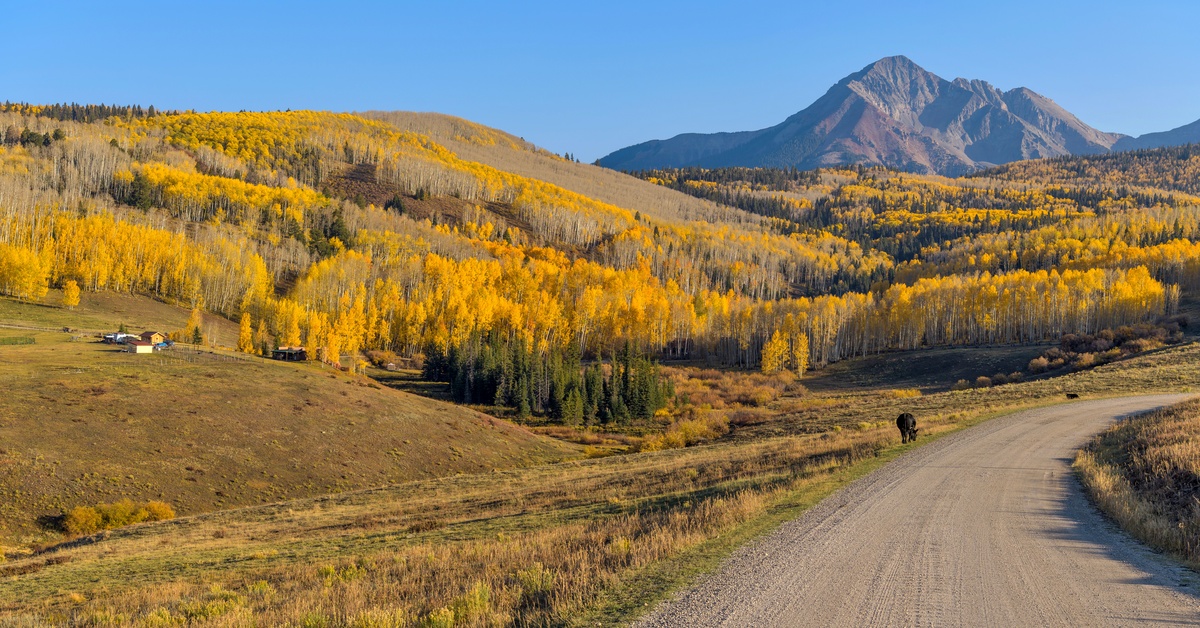
The way we work changed forever in 2020. Companies now allow employees to work from anywhere, and workers are choosing to leave concrete jungles behind. They want fresh air, mountain views, and space to breathe. This shift has created "Zoom towns" across Colorado—communities that were once sleepy vacation spots but are now full of full-time professionals.
These remote workers need homes, and they often want larger lots than they could afford in a city. They look for acreage where they can build a custom home office with a view. This demographic shift drives demand for rural residential land. Areas that seemed too far from Denver or Colorado Springs five years ago are now viable options for commuters who only go to the office once a month. The expansion of high-speed internet into rural areas further accelerates this trend, making even remote parcels accessible for modern living.

Land Prices Remain Lower than Coastal Areas
While Colorado prices have risen, they still offer incredible value compared to other popular states. If you look at land prices in California, New York, or even parts of the Pacific Northwest, you will see astronomical figures for small plots. Colorado still has vast amounts of open space, which keeps the entry price lower for investors. You can often purchase several acres in Colorado for the price of a small city lot on the West Coast.
This affordability makes the market accessible to new investors. You do not need millions of dollars to get started. Many buyers find affordable parcels that allow them to enter the real estate market without taking on massive debt. This lower barrier to entry is a major reason why transaction volume is so high. People realize they can own a tangible piece of America for a reasonable price, and they are taking action before prices catch up to the coastal averages.
Zoning Regulations Offer Flexibility for Owners
Many counties in Colorado offer favorable zoning regulations for landowners. Unlike some states with strict and restrictive codes, Colorado often creates pathways for diverse land use. You might find parcels zoned for mixed-use, allowing you to combine residential living with a small business or agricultural project.
"Unrestricted" land is also a popular category here. This designation means the county imposes very few rules on what you can build or do on the property. You can park an RV, build a tiny home, or set up a modular home without jumping through endless bureaucratic hoops. This flexibility appeals to buyers who value freedom and autonomy. When you buy land in Colorado, you often buy the right to use that land exactly how you wish. This freedom is a rare commodity in the modern world and adds significant intrinsic value to the property.
Agricultural Tax Exemptions Lower Carrying Costs
Holding costs can eat into investment returns, but Colorado offers a solution. The state provides generous tax exemptions for agricultural land. If you use your land for grazing, farming, or even specific conservation purposes, you can qualify for significantly lower property taxes.
- Grazing leases: You can lease your land to a local rancher for their cattle.
- Hay production: Growing hay or alfalfa qualifies the land.
- Forest ag: Managing timber growth can lower your tax bill.
- Bees: Even keeping apiaries on the property can sometimes qualify.
These incentives make it cheap to hold land long-term. You can sit on a property for decades while paying minimal taxes, allowing the asset to appreciate without draining your bank account annually. This tax structure encourages investment and helps preserve the state's rural heritage.
Make Your Move into the Market
The surge in Colorado land investment is not a bubble; it is supported by strong fundamentals. Population growth, tourism, remote work flexibility, and smart tax incentives create a solid foundation for value. Whether you want to build a dream home, generate rental income, or simply hold an asset for the future, the opportunities here are vast. The market is moving, but you still have time to find your place in it. Take the time to research your options, look at different counties, and find the parcel that fits your goals. Your piece of the Rockies is waiting.

