

What Makes California Mountain Land Desirable
September 2, 2026 8:46 am PST

California offers an enormous range of landscapes, from coastal communities and agricultural valleys to deserts and rugged mountain regions. For land buyers who want more space, natural surroundings, recreation opportunities, or a place to build a retreat, mountain properties can offer a particularly appealing option.
California’s mountain regions also vary considerably from one location to another. Some properties sit near established mountain towns, while others occupy remote areas where owners can enjoy greater privacy. Understanding what attracts buyers to these properties can help you decide whether California mountain land fits your goals.
Mountain Land Offers a Different Side of California
Many people associate California with major cities, beaches, and densely populated communities. However, the state also contains extensive mountain landscapes that offer a very different environment.
The Sierra Nevada stretches along much of eastern California and includes forests, valleys, lakes, and high peaks. Northern California also contains mountain landscapes associated with the Cascade Range, while other ranges extend through coastal and Southern California.
These areas give buyers opportunities to look beyond California’s better-known urban markets. Depending on the property, mountain land can provide space for recreation, a future cabin, seasonal use, or simply a private piece of California to call your own.
Scenic Surroundings Attract Mountain Land Buyers
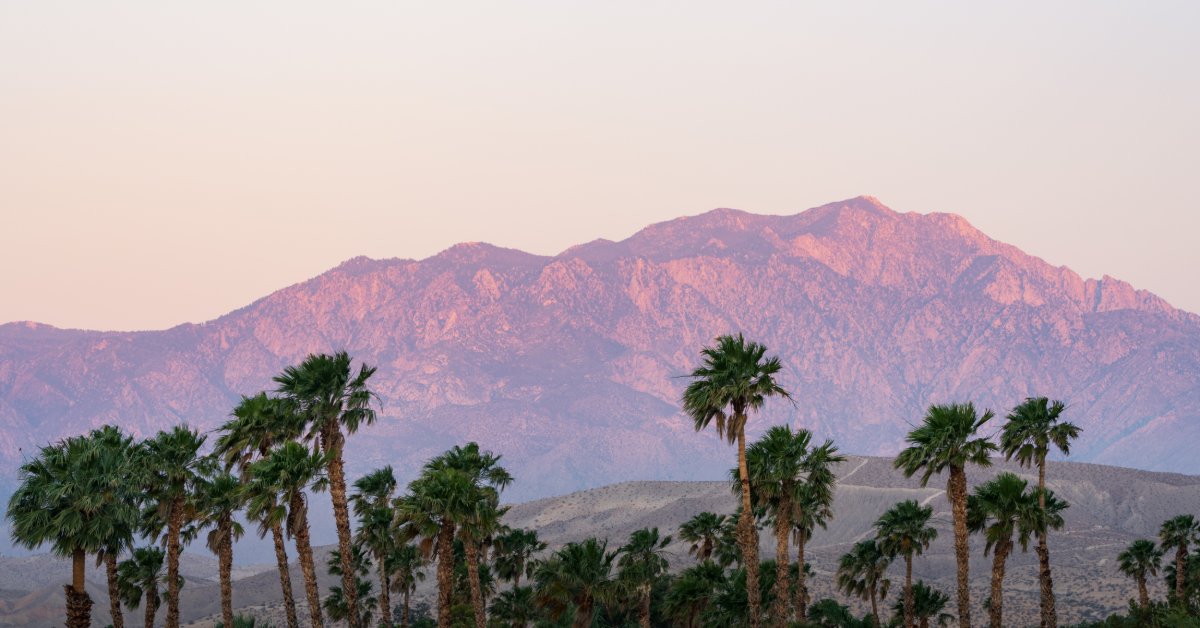
Natural scenery ranks among the clearest attractions of California mountain land. Depending on the location and elevation, a parcel may offer views of forests, ridgelines, valleys, rock formations, or distant peaks.
The scenery can also change dramatically throughout the year. Spring vegetation, warm summer days, fall colors in some areas, and winter snow at higher elevations can give the same property a different character from season to season.
Buyers should remember that views can vary even between nearby parcels. Terrain, tree coverage, elevation, and surrounding development can all affect what you see from a particular property.
Outdoor Recreation Can Start Close to Home
California’s mountains support a wide range of outdoor activities. Hiking, camping, fishing, wildlife watching, mountain biking, and winter recreation attract visitors to mountain communities throughout the state.
Owning land in a mountain area may put recreational opportunities closer to your property. The exact activities available will depend on the location, surrounding public lands, climate, access, and local rules.
Buyers who prioritize recreation should research the surrounding area rather than focusing only on the parcel itself. Nearby trail systems, lakes, forests, parks, and recreation areas can influence how well a property fits an outdoor-focused lifestyle.
Privacy and Open Space Hold Strong Appeal
California has several large metropolitan areas, and some buyers want a property that feels far removed from dense neighborhoods and busy streets. Mountain land can offer that change of pace.
Larger parcels or properties in lightly developed areas may provide more separation from neighboring homes. Trees, slopes, and other natural features can also create a sense of privacy even when other properties sit nearby.
However, remoteness comes with tradeoffs. A private parcel may sit farther from grocery stores, medical services, fuel, schools, or other everyday conveniences. Buyers should consider how much isolation they actually want before choosing a location.
Mountain Properties Can Suit Cabin and Retreat Plans
Some buyers look at mountain land because they want a place for a future cabin or recreational retreat. A mountain setting can create an appealing destination for weekends, vacations, or seasonal stays.
Before making plans, buyers need to confirm what they can legally build on a particular parcel. County rules, zoning requirements, road access, terrain, septic needs, utility availability, and other property characteristics can affect a building project.
A beautiful parcel does not automatically make a practical building site. Buyers should investigate these details early so they can match the land to their intended use.
California Offers Mountain Land Across Different Regions
One advantage of searching for California mountain property comes from the state’s geographic variety. Buyers do not have to limit their search to one mountain range or one type of landscape.
Northern California can offer heavily forested settings and more remote surroundings in some areas. The Sierra Nevada includes everything from established mountain communities to sparsely developed rural regions. Southern California also contains mountain areas that sit within reach of major population centers.
Each region brings different conditions, climates, elevations, and access considerations. Comparing several areas can help buyers find a better match for their priorities and budget.
Seasonal Changes Create Both Benefits and Challenges
Mountain weather plays an important role in property ownership. Higher elevations can experience conditions that differ significantly from nearby valleys, especially during winter.
Snow can create opportunities for winter recreation and give a property a classic mountain atmosphere. At the same time, snowfall can affect road access, travel times, property maintenance, and construction schedules.
Summer conditions deserve attention as well. Buyers should research local temperatures, vegetation, road conditions, and wildfire exposure when evaluating a property. Looking at the full year gives a more useful picture than visiting only during ideal weather.
Buyers Can Find Properties at Different Price Points
California has a reputation for expensive real estate, but land prices vary widely throughout the state. Location, acreage, access, terrain, nearby development, buildability, and local demand can all influence the cost of a mountain parcel.
That variation gives buyers room to compare different types of properties. Someone who prioritizes proximity to a popular mountain community may face different prices than someone willing to consider a more remote location.
People browsing lots for sale in California should compare properties based on more than acreage and asking price. A lower-priced parcel may come with additional access or development challenges, while a more expensive property may offer features that make ownership easier.
Elevation Can Change the Character of a Property
Elevation can influence temperatures, snowfall, vegetation, road conditions, growing seasons, and how buyers might use a property throughout the year.
A parcel at a moderate elevation may offer a different ownership experience than land located much higher in the mountains. Higher properties may receive more snow and experience cooler conditions, while lower mountain areas may provide easier seasonal access.
Buyers should research the specific elevation of a parcel and local conditions before making assumptions. Even properties located within the same county can experience noticeably different weather.

Terrain Creates Character and Practical Considerations
Sloping terrain often contributes to the visual appeal of mountain land. Hillsides can create dramatic views and natural separation between properties.
At the same time, steep terrain can influence how an owner uses a parcel. Building, creating a driveway, parking vehicles, installing infrastructure, or finding usable outdoor space may require more planning on sloped land.
A parcel’s total acreage does not tell the whole story. Buyers should consider how much of the property fits their intended use and whether the terrain supports their plans.
Proximity to Public Land Can Add Recreational Appeal
California contains extensive areas of public land, including national forests, parks, and other protected or managed landscapes. Mountain properties located near these areas can appeal to buyers who enjoy outdoor recreation.
Nearby public land may provide access to hiking, camping, fishing, hunting where permitted, or other activities. It can also contribute to the natural character of a region.
Ownership of a nearby parcel does not automatically grant special access to public areas, however. Buyers should research official access points, boundaries, regulations, and seasonal restrictions before relying on nearby public land as part of their purchase decision.
Is California Mountain Land Right for You?
California mountain land attracts buyers for many reasons. Some want outdoor recreation and scenic surroundings, while others value privacy, open space, or the possibility of creating a personal retreat.
The right property depends on what matters most to you. Location, elevation, terrain, access, seasonal conditions, nearby services, and intended use should all factor into your decision.
California’s geographic diversity gives buyers plenty of mountain environments to consider. By looking beyond the scenery and carefully evaluating the practical details of each parcel, you can focus your search on land that fits both your plans and the way you want to use the property.

