

What Influences Land Prices Across Utah Counties
January 23, 2026 10:03 am PST

Buying land represents a significant milestone. It often marks the beginning of a dream home, a new business venture, or a long-term investment strategy. If you are looking at the beautiful landscapes of the Beehive State, you might notice that price tags vary wildly from one area to another. A plot in Salt Lake County costs significantly more than a similar-sized parcel in rural San Juan County.
Understanding why these price differences exist helps you make smarter decisions. It allows you to budget effectively and find a property that aligns with your financial goals. Several factors come together to determine the final cost of a piece of land in Utah counties. By breaking down these elements, you can navigate the market with confidence and clarity.
Proximity to Urban Centers
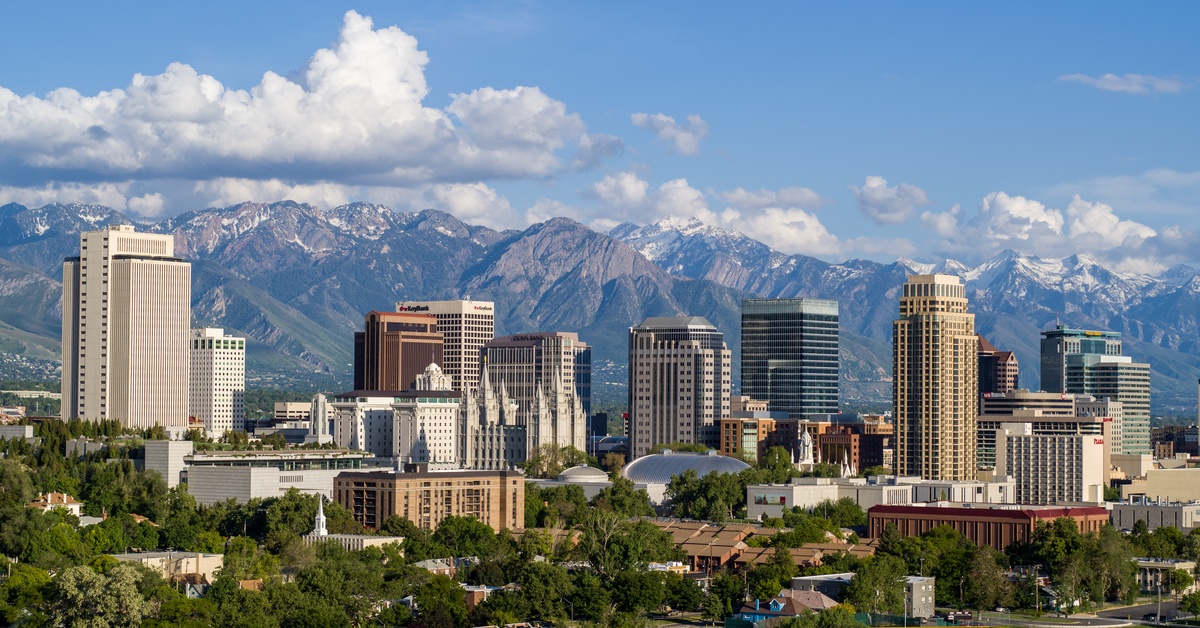
The most immediate factor impacting land value is location relative to major cities. Land prices in counties like Salt Lake, Utah, and Davis remain high because they sit at the heart of the state's economic activity. These areas offer immediate access to jobs, hospitals, shopping centers, and entertainment. When you buy land near a city, you pay for convenience and accessibility.
As you move away from the Wasatch Front, prices generally decrease. Rural counties offer more acreage for your dollar, but they lack the immediate conveniences of urban living. Investors often balance the desire for space against the need for city amenities.
Population Growth and Demand
Utah consistently ranks as one of the fastest-growing states in the nation. This rapid population growth drives demand for housing and commercial space, which directly influences land prices. Counties experiencing the highest influx of new residents see land values climb as developers compete for limited space.
Washington County, home to St. George, serves as a prime example. Its warm climate and growing popularity have led to a surge in demand, pushing land prices upward. Conversely, counties with stagnant or declining populations often see more stable or lower land prices.
Access to Water Rights
In the arid West, water is gold. A piece of land with established water rights holds significantly more value than dry land. This is particularly true in agricultural counties like Box Elder or Cache. If you intend to farm, ranch, or simply maintain a large garden, water access becomes a non-negotiable necessity.
When evaluating land, you must verify what water rights come with the deed. Some properties include shares in local irrigation companies, while others require you to drill a well. The cost and feasibility of obtaining water will always reflect in the listing price.
Zoning and Land Use Regulations
Local government regulations play a massive role in what you can build and do on a property. Zoning laws dictate whether a plot is for residential, commercial, agricultural, or industrial use. Land zoned for commercial development or high-density housing typically commands a higher price per acre than land zoned strictly for agriculture or single-family homes.
Summit County, known for Park City and its ski resorts, has strict zoning laws to preserve its resort character. These regulations can limit supply and drive up costs. Always check the zoning designation before you commit to a purchase to ensure it fits your plans.
Recreational Potential and Scenic Views
Utah is famous for its "Mighty 5" national parks and world-class skiing. Land located near these recreational hotspots carries a premium. Properties in Grand County near Arches National Park or in Weber County near Snowbasin Resort attract buyers looking for vacation homes or short-term rental investments.
The view itself also adds value. A lot with an unobstructed view of the Wasatch Mountains or red rock formations will cost more than a similar lot without the scenery. For many buyers, that morning view is worth the extra investment.
Infrastructure and Utilities Availability
The cost to develop land affects its purchase price. A "shovel-ready" lot with electricity, gas, sewer, and internet connections already at the property line will list for a higher price. The seller has already done the heavy lifting, and the buyer pays for that convenience.
Remote land in counties like Garfield or Piute might look incredibly affordable at first glance. However, bringing power lines or digging a septic system in these areas can cost tens of thousands of dollars. You must calculate these development costs when comparing Utah land for sale across different counties.
Topography and Soil Quality
The physical characteristics of the land matter. Flat, buildable ground is easier and cheaper to develop than steep, rocky terrain. In mountainous counties, you might find cheap acreage, but the cost to grade a driveway or pour a foundation could be astronomical.
Soil quality is vital for agricultural buyers. Fertile soil in Sanpete County allows for farming, which supports the land's value. In contrast, highly saline or rocky soil limits use and lowers the potential price.

Transportation Networks
Access to major highways and airports boosts land value. Counties along the I-15 corridor benefit from easy transportation of goods and people. This connectivity attracts businesses and commuters, supporting strong land prices.
Areas like Tooele County have seen growth as transportation improvements make them viable bedroom communities for Salt Lake City. Better roads mean shorter commute times, making the land more desirable for housing developments.
Economic Stability and Job Market
A strong local economy supports higher real estate values. Counties with diverse industries—tech, healthcare, education, and tourism—tend to have more resilient land prices. When people have good jobs, they can afford to buy homes and land.
Utah County, with its "Silicon Slopes" tech hub, has seen land values skyrocket due to high-paying jobs in the area. In contrast, counties reliant on a single industry, such as mining or energy, may experience more volatility in land prices depending on market cycles.
Future Development Plans
Smart buyers look at the future, not just the present. Municipal master plans reveal where new roads, schools, and parks will go. Land located near future infrastructure projects often appreciates in value.
If a county plans to extend a utility line or build a new interchange, nearby land becomes a hot commodity. researching these long-term plans gives you an edge and helps you identify undervalued areas poised for growth.
Making the Right Choice for Your Needs
Navigating the real estate market in Utah requires patience and research. By understanding these ten influence factors, you can look past the sticker price and see the true value of a property.
- Determine your goals: Are you building a home, starting a farm, or holding for investment?
- Check the utilities: Know what is on the lot and what you need to bring in.
- Verify zoning: Ensure the county allows your intended use.
- Assess the water: Never assume water is available; always verify rights.
- Review the access: Make sure you have legal and physical access to the property.
Buying land is an exciting journey. With the right information, you can find a piece of Utah that serves your needs and fits your budget.

