

What Affects Land Prices in Different Arizona Counties
March 24, 2026 8:03 am PST

Land prices across Arizona vary widely from one county to another. Buyers often notice sharp differences between rural desert parcels and land near growing cities. Several key factors drive these price changes, and understanding them helps you make smarter decisions.
Land Limited focuses on helping buyers navigate these differences with confidence and clarity.
Below, you’ll find the most important elements that influence land pricing throughout Arizona.
Location Within the State
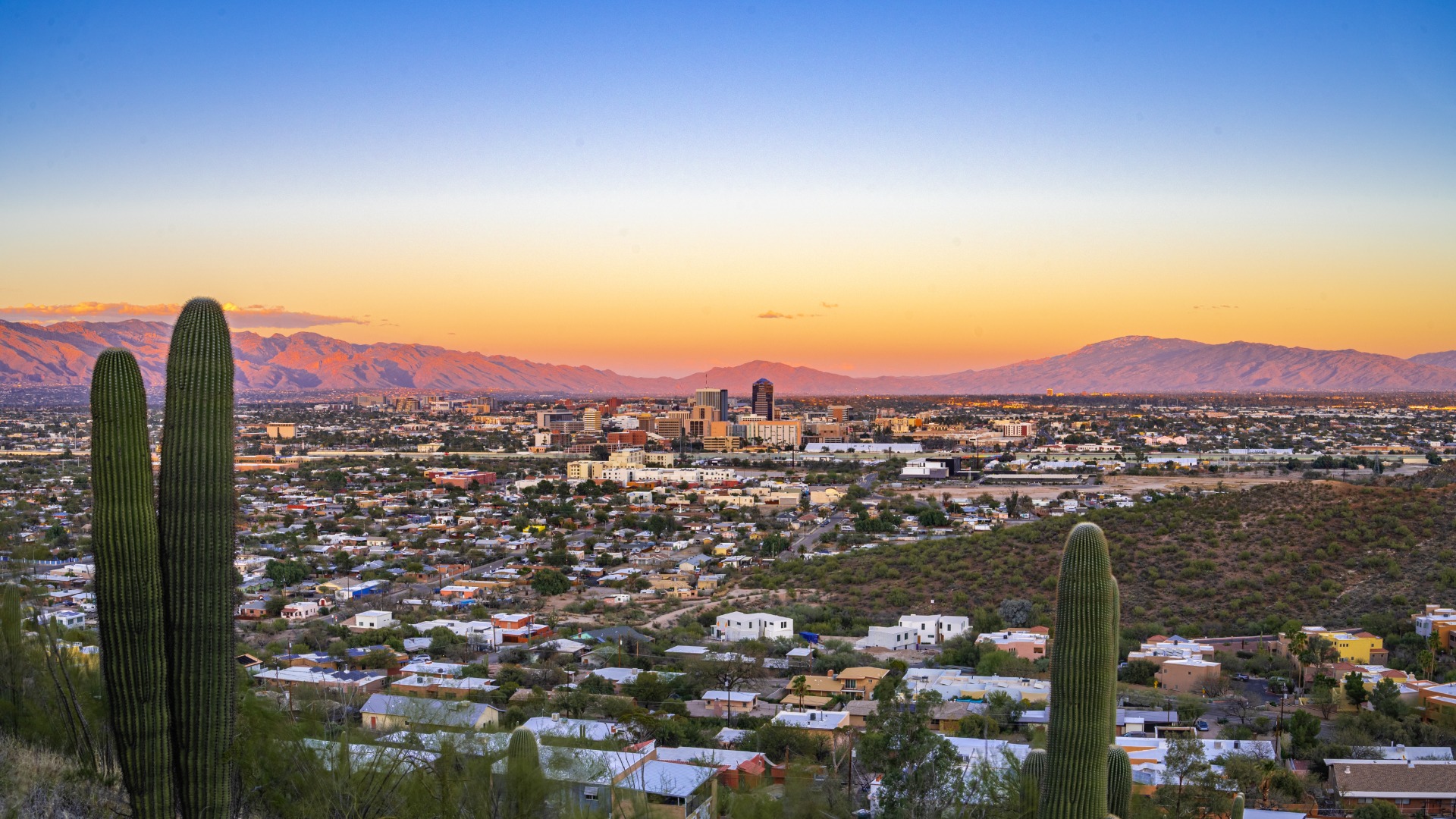
Location plays the biggest role in determining land value. Counties near major cities like Phoenix or Tucson command higher prices due to demand. Just like anywhere else, the more people want to live there, the harder it will be to find land that’s available for purchase.
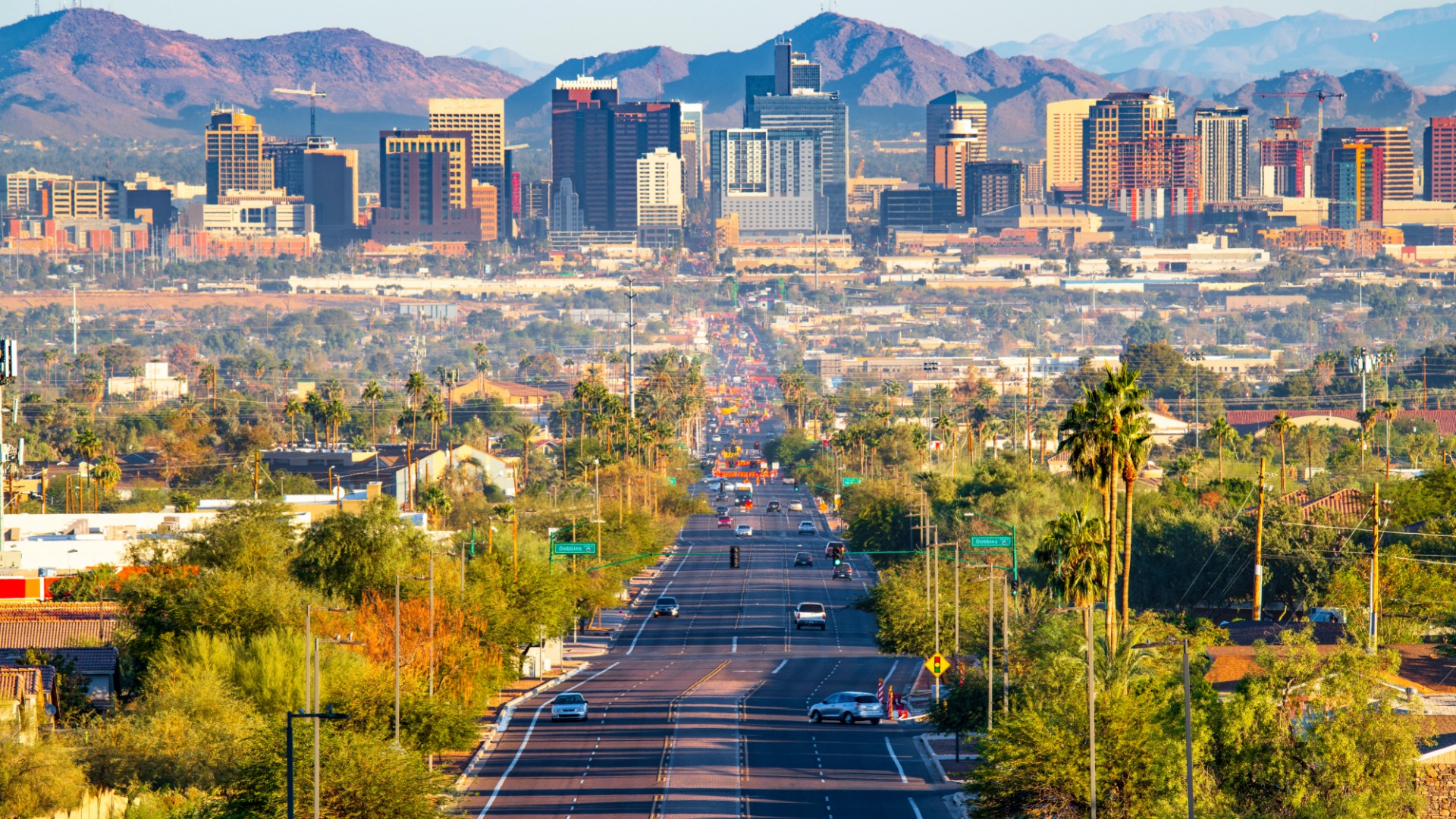
Maricopa County consistently ranks among the most expensive areas because it includes Phoenix and surrounding suburbs. Pima County follows closely due to Tucson’s steady growth.
Rural counties such as Apache or Navajo often offer lower prices. These areas attract buyers looking for affordability, privacy, or recreational use.
Proximity to Major Cities and Highways
Land closer to infrastructure sells for more. Buyers value easy access to highways, airports, and urban centers. If these are important things for you, you should be prepared to pay more or have the process take a little longer to get your land.
Counties with strong transportation networks see higher demand. For example, land near Interstate 10 or Interstate 17 typically costs more than remote parcels.
Accessibility directly impacts usability. Easier access supports residential, commercial, and investment potential.
Population Growth and Demand
Population growth drives land prices upward. Counties experiencing rapid growth see increased competition for available land.
Maricopa County continues to grow quickly, which pushes prices higher each year. Pinal County also sees rising demand as buyers move outward from Phoenix.
Counties with slower growth tend to maintain lower prices. Limited demand keeps appreciation steady but modest. This will usually be your more remote parcels of land, which might be exactly what you’re looking for.
Zoning and Land Use Regulations
Zoning determines how buyers can use land. This factor directly affects value.
Residential zoning often brings higher prices because buyers can build homes immediately. Commercial zoning can increase value even more due to income potential.
Agricultural or recreational zoning typically results in lower prices. However, these parcels may appeal to specific buyers such as investors or outdoor enthusiasts.
Availability of Utilities
Utilities significantly impact land value across Arizona counties. Buyers pay more for land that already has essential services.
Properties with electricity, water, and septic systems cost more upfront. These features reduce development costs and timelines.
Raw land without utilities sells for less but requires additional investment. Many buyers consider this trade-off when evaluating options.
Terrain and Physical Features
The physical characteristics of land affect both usability and price. Flat, buildable land usually costs more than rugged terrain.
Mountain views, desert landscapes, and scenic surroundings can increase value. Buyers often pay a premium for visually appealing properties.
However, steep slopes or rocky ground may reduce price due to construction challenges.
County-Specific Economic Activity
Local economies influence land prices across Arizona. Counties with strong job markets and business growth attract more buyers.
Maricopa County benefits from diverse industries and steady employment growth. This economic strength supports higher land values.
In contrast, counties with limited economic activity often see lower prices. Demand remains tied to recreational or long-term investment use.
Recreational Appeal and Lifestyle Factors
Some Arizona counties attract buyers for lifestyle reasons rather than development. Recreational appeal can drive demand in specific regions.
Northern Arizona counties such as Coconino and Yavapai offer cooler climates and outdoor activities. These areas attract buyers seeking vacation or second properties.
Hunting, fishing, and off-grid living also influence demand. Buyers interested in these uses often search for land in more remote counties.
Property Size and Parcel Configuration
Larger parcels do not always mean higher prices per acre. In many Arizona counties, price per acre decreases as parcel size increases.
Smaller parcels near cities often sell for higher prices per acre. These properties appeal to residential buyers.
Large tracts in rural counties attract investors and recreational buyers. Pricing reflects total acreage rather than development readiness.
Market Trends and Investment Potential
Market conditions shift over time, and they affect land prices in every county. Buyers should pay attention to trends before making a purchase.
Areas experiencing growth often see rising prices and increased competition. Investors look for these regions to maximize long-term returns.
Other counties offer stable pricing with slower appreciation. These areas may suit buyers focused on affordability rather than rapid growth.
Key Factors Buyers Should Evaluate
When comparing land across Arizona counties, focus on the following:
- Distance to major cities and highways
- Availability of utilities and infrastructure
- Zoning and permitted land use
- Access to water and natural resources
- Local economic conditions
- Terrain and buildability
- Long-term growth potential
Each of these elements plays a role in determining price and overall value.
How Arizona Counties Compare Overall
Arizona counties fall into a few general pricing categories. Understanding these groups helps narrow your search.
Urban counties like Maricopa and Pima sit at the top of the price range. Suburban and growth counties such as Pinal fall in the middle.
Rural counties including Apache, Navajo, and Cochise often offer the most affordable options. These areas appeal to buyers seeking space and lower costs.
Each category serves a different type of buyer, depending on goals and budget.
Finding the Right Opportunity
Buyers searching for land in Arizona for sale should match their goals with the right county. Some prioritize affordability, while others focus on growth potential or location.
Understanding what drives land prices allows you to compare properties more effectively. You can identify opportunities that align with your plans.
Land Limited supports buyers by offering a wide range of properties across different markets.
Arizona Land Prices
Arizona offers a diverse land market with options for nearly every type of buyer. Prices vary based on location, infrastructure, demand, and usability.
Counties near major cities tend to cost more due to convenience and growth. Rural areas provide more affordable options with different advantages.
Careful evaluation of key factors helps you make a confident decision. When you understand what influences pricing, you gain a clear advantage in your search.

