

Understanding Zoning Laws for Land Purchase
May 13, 2026 7:48 am PST

Buying land opens up opportunity, but zoning laws shape what you can actually do with that property. Many buyers focus on price, location, and size, yet overlook zoning until it becomes a problem. A clear understanding of zoning rules helps you avoid costly mistakes and plan your purchase with confidence.
Land Limited helps buyers navigate land purchases across the country with expert support and practical knowledge. That includes helping you understand how zoning affects your goals from day one.
What Are Zoning Laws?
Zoning laws are local regulations that control how land can be used. Cities and counties divide land into zones, such as residential, commercial, agricultural, or industrial. Each zone comes with specific rules that determine what activities you can carry out on that land.
Local governments create zoning laws to organize development, protect property values, and manage growth. These rules influence everything from building size to how close structures can sit to property lines.
Why Zoning Matters When Buying Land
Zoning laws directly impact your ability to use land the way you intend. If you plan to build a home, start a business, or use land for recreation, zoning determines what is allowed.
Ignoring zoning can lead to delays, denied permits, or legal issues. You might purchase land thinking you can build a cabin, only to learn the zoning restricts residential use.
Understanding zoning upfront protects your investment and keeps your plans on track.
Common Types of Zoning Classifications
Zoning categories vary by location, but most areas follow similar structures. Each classification sets clear boundaries for land use.
- Residential: Allows single-family homes, multi-family units, or mobile homes
- Commercial: Supports businesses like retail stores, offices, and restaurants
- Agricultural: Permits farming, livestock, and rural activities
- Industrial: Focuses on manufacturing, warehouses, and large-scale operations
- Recreational: Allows parks, hunting land, or outdoor use
Each category may include subcategories with more detailed restrictions.
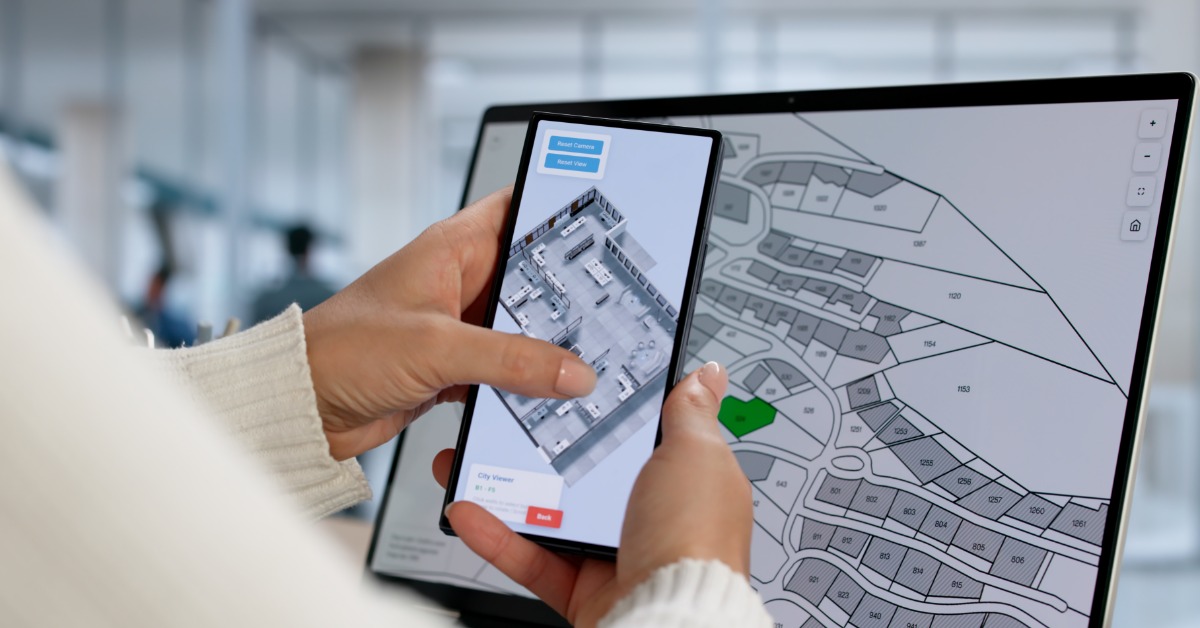
How Zoning Laws Affect Land Use
Zoning laws define what you can build, how you can build it, and how you can use the property. These rules go beyond simple categories.
For example, zoning may regulate:
- Building height and size
- Lot coverage and density
- Setback requirements from roads or neighbors
- Access to utilities and roads
Even within the same zoning type, restrictions can vary widely between counties.
How to Find Zoning Information Before You Buy
You can access zoning information through local government offices or online databases. Most counties provide zoning maps and ordinances through their planning or zoning departments.
Start by identifying the parcel number of the land you want. Then review zoning maps and regulations tied to that property. If anything seems unclear, contact the local zoning office directly. A quick call can clarify details that documents might not explain well.
Understanding Zoning Codes and Terminology
Zoning codes often include technical language that can confuse new buyers. Terms like R-1, C-2, or A-5 represent different zoning categories, but each municipality defines them differently.
You should always review the official zoning ordinance for that area. Do not assume that the same code means the same thing in different locations.
If needed, ask a zoning official to explain the code in plain terms.
Can You Change Zoning on a Property?
In some cases, you can request a zoning change, also known as rezoning. Property owners submit applications to local authorities, who then review the request based on community impact and development plans.
Rezoning is not guaranteed. Local governments consider factors such as surrounding land use, environmental concerns, and public input.
You should not rely on rezoning as part of your purchase plan unless you fully understand the risks.
What Are Zoning Variances?
A variance allows you to deviate from certain zoning requirements without changing the zoning classification. For example, you might request a variance to build closer to a property line than normally allowed.
Local zoning boards review variance requests on a case-by-case basis. Approval depends on whether your request meets specific criteria, such as hardship or unique property conditions.
Variances can help, but they require time and approval.
Zoning Restrictions That Impact Land Buyers
Several zoning-related restrictions can affect how you use your land. These rules often surprise buyers who did not research them in advance.
- Minimum lot size requirements
- Restrictions on mobile homes or RV living
- Limits on farming or livestock
- Environmental protections or wetlands regulations
- Access requirements for roads and utilities
You should review all restrictions carefully before making a purchase decision.
How Zoning Impacts Investment Potential
Zoning plays a major role in determining land value and long-term investment potential. Land with flexible zoning often attracts more buyers and supports more use cases.
For example, land zoned for both residential and agricultural use may appeal to a wider audience. On the other hand, highly restrictive zoning can limit future resale value.
Buyers searching for land for sale in the USA often compare zoning flexibility alongside price and location.

Zoning and Building Permits
Zoning approval does not automatically mean you can build. You still need building permits to begin construction.
Permits ensure that your plans meet safety codes, structural standards, and environmental regulations. Local building departments review plans before issuing approval.
You should confirm both zoning compliance and permit requirements before finalizing your purchase.
Differences Between Rural and Urban Zoning
Rural areas typically offer more flexible zoning compared to urban locations. Agricultural zoning often allows a wider range of uses, including recreation, farming, and homesteading.
Urban zoning tends to be more restrictive due to population density and infrastructure demands. Cities often enforce stricter rules on building size, usage, and development.
Your intended use should align with the zoning environment you choose.
How to Work With Zoning Officials
Zoning officials can be valuable resources during your land buying process. They can explain regulations, clarify restrictions, and help you understand what is possible on a property.
When contacting a zoning office:
- Ask specific questions about your intended use
- Confirm any unclear regulations
- Request written confirmation if needed
Clear communication reduces confusion and helps you make informed decisions.
Zoning Laws and Land Purchases
Zoning laws shape every aspect of land ownership, from how you use the property to how much it is worth. You should always research zoning before buying land, not after.
Land Limited focuses on helping buyers make confident decisions with clear, practical information. When you understand zoning rules, you avoid surprises and move forward with a plan that works.
Taking the time to review zoning ensures that your land purchase supports your goals today and in the future.

