

Understanding Easements and Land Access Rights
May 5, 2026 11:35 am PST

Buying land involves more than location, price, and size. Access rights and easements shape how you use the property and how others interact with it. Many buyers overlook these legal details until problems arise. A clear understanding helps you avoid disputes and make informed decisions.
At Land Limited, the goal centers on helping buyers navigate land purchases with confidence and clarity. Easements play a key role in that process.
What Is an Easement?
An easement gives someone the legal right to use a portion of another person’s land. The landowner still owns the property, but must allow specific uses defined by the easement.
Easements often involve access, utilities, or shared resources. They stay attached to the property rather than the owner in most cases. That means they continue even after a sale.
Why Easements Matter for Land Buyers
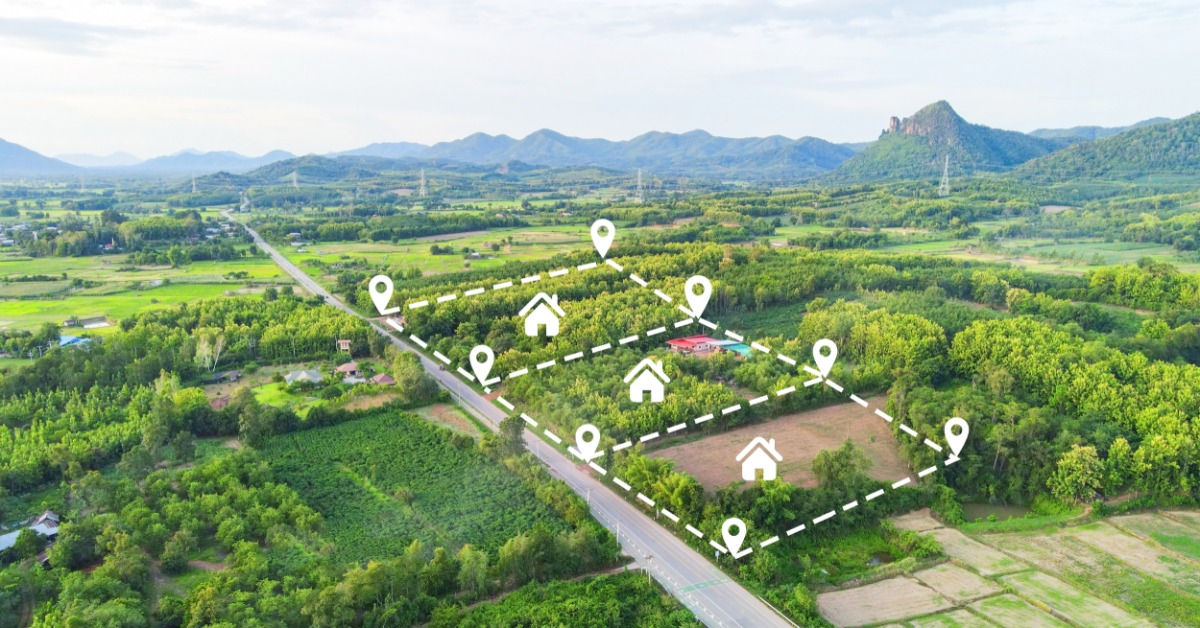
Easements directly affect how you use your land. They can limit building areas, restrict fencing, or allow others to cross your property.
Buyers who ignore easements risk future conflicts. Lenders and title companies also review easements before approving transactions. That makes them a critical part of due diligence.
Common Types of Easements
Different easements serve different purposes. Each type comes with unique rights and limitations.
- Access easements: Allow entry or exit through another property
- Utility easements: Permit utility companies to install or maintain infrastructure
- Drainage easements: Control water flow across land
- Conservation easements: Restrict development to protect natural resources
- Private easements: Grant specific individuals or neighbors certain rights
Understanding the type of easement helps you assess its impact.
Easement vs. Right of Way
Many people confuse easements with rights of way. A right of way represents a specific type of easement that allows travel across land.
Not all easements involve travel. Some relate to utilities or environmental protection. Knowing the difference helps you interpret property records correctly.
How Easements Affect Property Value
Easements can increase or decrease property value depending on their nature. Access easements often improve value for landlocked parcels. However, heavy utility use or frequent traffic can reduce privacy and appeal.
Buyers should evaluate how visible and active the easement remains. A rarely used utility line has less impact than a shared driveway with daily use.
What Is a Landlocked Property?
A landlocked property lacks direct access to a public road. Owners must rely on easements to reach their land.
Without legal access, development becomes difficult or impossible. Buyers should confirm access rights before purchasing any landlocked parcel.
How to Find Easements on a Property
You can identify easements through several sources. Each source provides different levels of detail.
- Property deeds often list recorded easements
- Title reports reveal legal encumbrances
- Survey maps show physical easement locations
- County records provide official documentation
Reviewing these documents helps you understand existing obligations.
Easements and Title Insurance
Title insurance protects buyers from undisclosed property issues. It often covers unknown easements that could affect ownership rights.
However, title insurance does not eliminate known easements. Buyers must still review and accept recorded easements before closing.
Can Easements Be Removed?
Some easements can be modified or terminated. The process depends on how the easement was created.
Mutual agreement between parties often allows removal. Courts may also terminate unused or abandoned easements. However, utility and public easements rarely disappear.
Buyers should not assume they can remove an easement after purchase.
Prescriptive Easements Explained
A prescriptive easement arises from long-term, continuous use without permission. If someone uses land openly for a set period, they may gain legal rights.
This type of easement often leads to disputes. Property owners should address unauthorized use early to avoid future claims.
Easements and Property Development
Easements can limit where and how you build. Utility lines, drainage paths, and access routes often restrict construction zones.
Before developing land, review all easement boundaries. Surveyors and local planning offices can help confirm buildable areas.
Ignoring these restrictions can lead to costly corrections or legal issues.
Rural Land and Access Challenges
Rural properties often rely heavily on easements. Many parcels sit far from public roads or share access routes with neighbors.
Buyers searching for California land for sale should pay close attention to access rights. Large rural tracts often include multiple easements that affect usability.
Understanding these details ensures the land meets your intended use.
Legal Responsibilities of Easement Holders
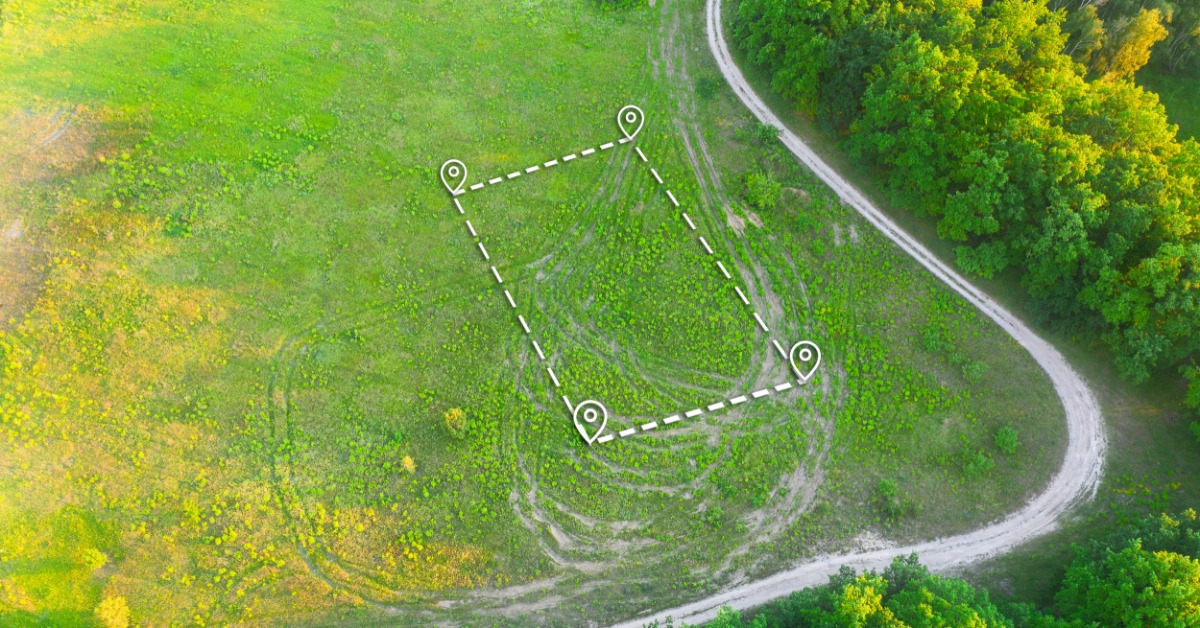
Both landowners and easement holders carry responsibilities. The terms of the easement define who maintains the area and how it can be used.
Some agreements require shared maintenance costs. Others place full responsibility on the easement holder. Clear documentation helps prevent disputes.
Questions to Ask Before Buying Land
Smart buyers ask specific questions about easements before closing a deal. These questions reveal potential risks and limitations.
- Who benefits from the easement?
- What activities does it allow?
- How often does someone use it?
- Who maintains the easement area?
- Does it affect building plans?
Clear answers help you avoid surprises later. If you don’t ask these kinds of questions, you’re far more likely to have some unwanted surprises later on down the line.
How Easements Impact Financing
Lenders evaluate easements when reviewing land loans. Properties with unclear access or heavy restrictions may face financing challenges.
Access easements often improve loan approval chances. However, unresolved disputes or unclear documentation can delay or block financing.
Buyers should resolve any concerns before applying for a loan if they want to have a more pleasant buying experience.
Working With Professionals
Real estate agents, title companies, and surveyors play key roles in evaluating easements. Each professional provides a different perspective.
Agents help interpret property listings. Title companies uncover legal details. Surveyors map physical boundaries. Together, they give you a complete picture.
Relying on expert guidance reduces risk during the buying process, so never feel like you can’t reach out for assistance from Land Limited to help you out.
Easements and Land Access Rights
Easements shape how land functions in real-world use. They influence access, development, and long-term value. Buyers who understand these rights make stronger investment decisions.
Land ownership involves more than holding a title. It requires awareness of shared rights and legal obligations. Careful research ensures the property aligns with your goals.
If you plan to purchase land, take time to review every easement tied to the property. A clear understanding today prevents costly issues tomorrow.

