

The Future of Land Ownership: Top Trends for 2026
November 14, 2026 5:47 pm PST

Land ownership continues to evolve as technology, economic conditions, and buyer priorities reshape the real estate market. While owning land has always represented opportunity, today's buyers approach purchases with different goals than they did even a few years ago. Many people now seek flexibility, long-term investment potential, recreational space, or the chance to build a custom lifestyle rather than purchasing existing homes.
Several trends continue to influence the land market in 2026. Buyers pay closer attention to digital purchasing tools, rural development, financing options, and environmental considerations before making decisions. Understanding these shifts helps both first-time buyers and experienced investors identify opportunities while avoiding common mistakes.
Why Land Ownership Continues to Grow in Popularity
Vacant land remains attractive because it offers flexibility. Unlike developed property, undeveloped land allows buyers to determine how they want to use it over time. Some buyers hold property as a long-term investment, while others plan future homes, recreational retreats, agricultural projects, or business ventures.
Population growth in many regions also increases interest in undeveloped land. As cities expand outward, previously overlooked parcels often gain additional value through nearby infrastructure improvements and economic development.
Many buyers also appreciate that land typically requires less ongoing maintenance than developed property. Without buildings to repair or tenants to manage, ownership often remains relatively straightforward while still providing future possibilities.
Technology Makes Buying Land Easier Than Ever
Technology continues transforming nearly every part of the land-buying process. Online listings now provide detailed maps, aerial imagery, property boundaries, zoning information, and neighborhood insights before buyers ever visit a property.
Virtual property research saves significant time during the early stages of shopping. Buyers compare multiple parcels, review terrain features, evaluate nearby roads, and identify potential concerns without extensive travel.
Digital document signing, secure payment systems, and online communication have also streamlined transactions. Many buyers now complete substantial portions of their purchase remotely while maintaining confidence throughout the process.
Data Plays a Larger Role in Purchase Decisions
Modern buyers rely on more information than previous generations. Public records, satellite imagery, flood maps, soil reports, tax history, and GIS mapping help purchasers evaluate property before making offers.
Access to better information reduces uncertainty. Instead of relying solely on visual inspections, buyers now review multiple data sources that provide a more complete picture of each parcel.
This increased transparency encourages smarter investments because buyers understand potential limitations alongside opportunities before completing a purchase.
Rural Areas Continue Attracting New Buyers
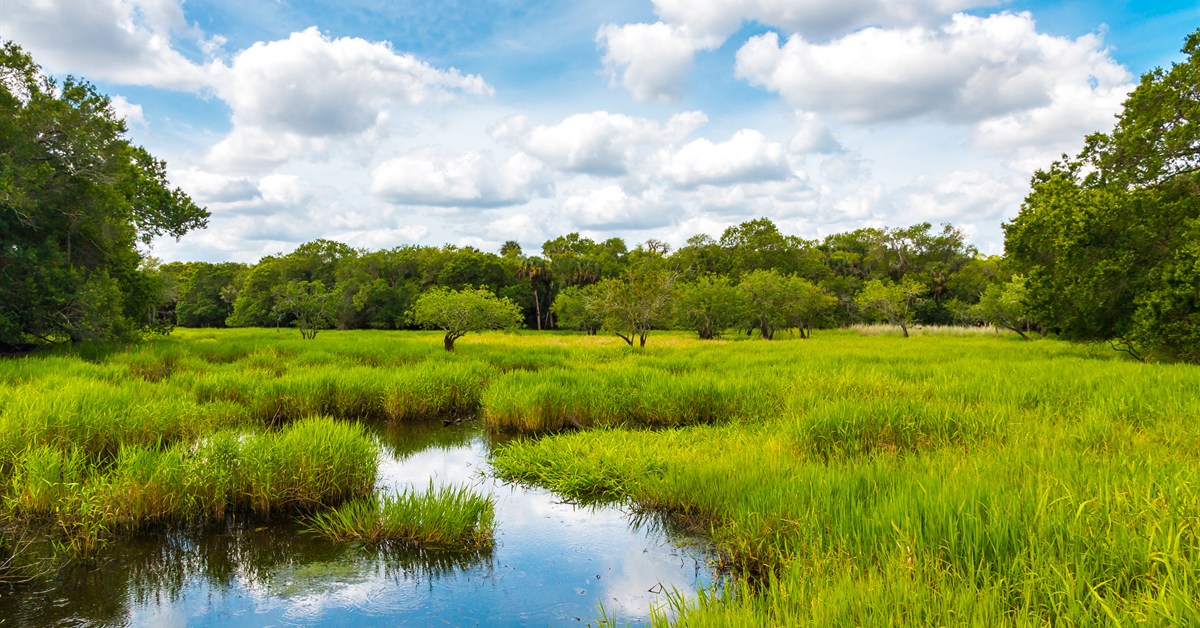
Remote work continues influencing where people choose to live and invest. Many buyers no longer need to remain close to major urban centers, creating renewed interest in rural communities.
Land outside metropolitan areas often offers:
- Larger parcels for the investment
- Greater privacy
- More recreational opportunities
- Lower purchase prices
- Room for future development
Improved internet availability in many rural regions also supports this trend. Better connectivity allows more people to enjoy country living while maintaining professional responsibilities.
Recreational Land Remains in High Demand
Outdoor recreation continues driving land purchases across the country. Buyers increasingly seek properties suitable for camping, hunting, fishing, hiking, ATV riding, or simply enjoying nature.
Recreational land serves multiple purposes. Owners enjoy immediate access to outdoor activities while maintaining an asset that may appreciate over time.
Properties with water access, mature timber, scenic views, or wildlife habitat often attract consistent interest because these natural features remain difficult to replicate through future development.
Financing Options Continue Expanding
Land financing has become more accessible as lenders recognize continued demand for vacant property. Buyers now encounter more financing choices than in previous years, although qualification requirements still vary by lender and property type.
Understanding available financing remains an important part of the buying process. Loan terms often differ depending on intended land use, parcel size, location, and development plans.
Many buyers compare traditional financing with seller financing when evaluating opportunities. Each option offers unique advantages depending on individual financial goals and purchasing timelines.
Infrastructure Development Creates New Opportunities
Road improvements, utility expansion, broadband access, and regional economic growth continue influencing land values throughout the country.
Areas receiving new infrastructure frequently experience increased buyer interest. Improved accessibility makes previously remote properties more practical for residential, recreational, or investment purposes.
Buyers who monitor planned development projects often identify promising opportunities before significant price increases occur. Reviewing local planning documents and transportation projects helps provide valuable insight into future market activity.
Buyers Focus More on Long-Term Investment
Many purchasers view land ownership as part of a broader investment strategy rather than a short-term transaction. Unlike some other real estate investments, vacant land offers flexibility because owners can hold, improve, develop, or sell based on changing market conditions.
Population growth, business expansion, and community development all influence long-term appreciation potential. While no investment guarantees future returns, carefully selected land often benefits from steady demand over extended periods.
Successful investors typically prioritize location, accessibility, zoning, and surrounding development trends instead of attempting to predict short-term market fluctuations.
Regional Markets Continue Following Different Paths
National real estate headlines rarely tell the complete story of land ownership. Individual states and local markets often perform differently based on economic conditions, employment growth, population trends, and available inventory.
Some buyers prioritize mountain properties, while others focus on desert landscapes, timberland, agricultural acreage, or coastal regions. Market conditions vary considerably depending on location.
For example, continued population growth and business investment help sustain interest in land for sale in Florida, while western states often attract buyers seeking recreational opportunities or off-grid lifestyles. Understanding local market conditions provides better guidance than relying solely on national averages.
Zoning and Land Use Regulations Receive Greater Attention
Today's buyers spend more time researching zoning regulations before purchasing property. Local ordinances determine how landowners may use property, making early research essential.
Buyers frequently investigate whether parcels allow residential construction, agricultural activities, recreational use, commercial development, or short-term rentals.
Understanding easements, access rights, utility availability, environmental restrictions, and future planning initiatives also helps prevent unexpected surprises after closing.
Careful due diligence protects buyers while helping them select land that aligns with their intended goals.

Online Education Creates More Confident Buyers
Educational resources continue improving the buying experience. Articles, videos, mapping tools, county records, and online property research platforms give buyers access to information that once required significant local knowledge.
Well-informed buyers ask better questions, evaluate opportunities more effectively, and make decisions with greater confidence.
Although professional guidance remains valuable, today's purchasers often arrive better prepared because educational resources remain readily available throughout the research process.
What Buyers Should Watch Moving Forward
The future of land ownership will likely continue emphasizing flexibility, technology, and informed decision-making. Buyers who stay current with market trends position themselves to recognize opportunities as conditions change.
Several factors will likely remain important throughout the coming years:
Economic growth, infrastructure investment, environmental planning, financing availability, technological innovation, and population migration all influence land demand. Rather than focusing on a single trend, successful buyers evaluate how these factors work together within specific markets.
Looking Ahead
Land ownership continues evolving alongside changes in technology, demographics, and buyer expectations. Modern purchasers have access to more information, more financing options, and more opportunities than ever before. At the same time, thoughtful research remains the foundation of every successful purchase.
The trends shaping 2026 land ownership point toward a market where buyers value flexibility, transparency, and long-term potential. Digital tools simplify property research, while growing interest in rural living, recreation, and sustainable land management expands the reasons people choose to invest in vacant land.

