

Seasonal Factors Affecting Texas Land Sales
January 14, 2026 7:38 am PST

Buying or selling land in Texas involves navigating a market that shifts with the seasons. Just as the weather changes from the Panhandle to the Gulf Coast, real estate trends fluctuate throughout the year. Understanding these seasonal rhythms helps buyers find better deals and sellers maximize their profits.
While economic conditions and interest rates play a significant role, the calendar month often dictates market activity. Hunters look for properties before deer season opens. Ranchers watch rainfall patterns before expanding their operations. These behaviors create predictable cycles in the land market.
Timing your transaction correctly can mean the difference between a quick sale and a property that sits on the market for months. This overview breaks down how each season impacts land sales across Texas.
Spring Brings Peak Activity
Spring traditionally marks the busiest season for real estate, and the Texas land market follows this trend. As wildflowers bloom and temperatures warm up, buyers feel more motivated to tour properties. The landscape looks its best during these months, making raw land particularly appealing.
Sellers often list their properties in March, April, and May to capitalize on increased buyer interest. This influx of inventory gives buyers more options, but it also increases competition. Bidding wars occur more frequently during this period, especially for desirable plots near major cities like Austin, Dallas, and Houston.
Families often start their search in spring with the goal of closing and moving during the summer break. This urgency drives a significant portion of sales activity.
Summer Heat Impacts Touring Schedules
Texas summers are famous for their intensity, and the heat directly affects how people shop for land. While the market remains active in June, activity often slows down as temperatures climb in July and August. Walking a large property in triple-digit heat discourages many casual lookers.
Serious buyers remain in the market, but they tend to schedule tours for early mornings or late evenings. Sellers should maintain their properties to ensure they look inviting despite the dry conditions. Keeping grass mowed and ensuring easy access to shade can make a difference during a summer tour.
This season also sees a rush of transactions closing from the spring buying season. Title companies and lenders often face a backlog, which can slightly delay closing dates. Patience becomes a necessary virtue during the busy summer closing period.
Fall Appeals to Recreational Land Buyers
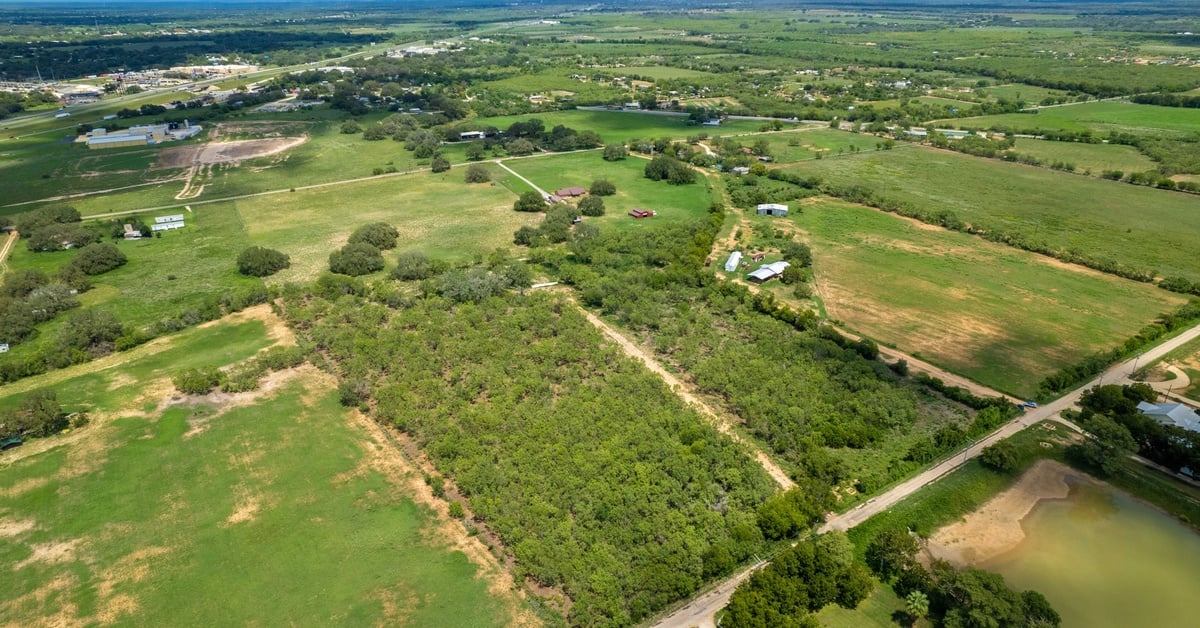
As the heat breaks and leaves change color, a specific demographic of buyers enters the market. Hunters and outdoor enthusiasts actively search for properties in the fall. They want to secure land before hunting seasons open, driving up demand for rural acreage.
Properties with wooded areas, water sources, and established wildlife populations see heightened interest. Sellers with recreational land should highlight these features in their marketing materials during September and October. Photos of game trails, blinds, and diverse vegetation attract this target audience.
The fall market offers a sweet spot for buyers who missed out on the spring rush but want to close before the end of the year. Competition typically cools down slightly compared to spring, potentially offering better negotiation opportunities.
Winter Offers Opportunities for Bargain Hunters
Winter generally sees the slowest activity in the Texas land market. The holiday season, shorter days, and colder weather keep many people indoors. Inventory levels often drop as sellers take properties off the market until spring.
However, this slowdown creates advantages for savvy investors. Sellers who keep their properties listed in December and January often have a strong motivation to sell. They may accept lower offers to close a deal before the tax year ends or to resolve financial needs.
Buyers willing to brave the cold can find less competition and more room for negotiation. If you are looking for Texas land for sale at a potentially lower price, the winter months might provide the best opportunity to strike a deal.
Agricultural Cycles Dictate Rural Sales
For farm and ranch land, agricultural cycles play a crucial role in sales timing. Farmers and ranchers often wait until after harvest to make purchasing decisions. In Texas, harvest times vary by crop, but late fall generally signals a time when agricultural producers have cash on hand.
Conversely, selling land with active crops usually happens after the harvest to avoid complications with crop ownership and revenue. Buyers looking for agricultural land often want to close in time to prepare the soil for the next planting season.
Rainfall patterns also influence rural land sales. A particularly dry year might discourage buyers from purchasing non-irrigated land, while a wet year can make almost any plot look like a lush paradise.
Holiday Seasons Slow Down Closings
The period between Thanksgiving and New Year's Day creates a noticeable lull in real estate transactions. Real estate agents, lenders, inspectors, and title company employees take time off to be with their families. This reduction in available professionals slows down the entire closing process.
Buyers and sellers often pause their plans to focus on holiday celebrations. While you can still find deals, expect everything to take longer than usual. Communication delays become common, and scheduling inspections or surveys can prove difficult.
If you must close a deal during the holidays, plan for these delays. initiating the process earlier in the fall helps ensure you complete the transaction before offices close for the season.
Weather events cause temporary disruptions
Texas weather can be unpredictable, and severe weather events impact land sales regardless of the season. Heavy rains can make rural roads impassable and properties difficult to tour. Flooding can temporarily reduce the appeal of low-lying land.
Hurricanes on the coast or ice storms in North Texas can halt market activity for weeks. Buyers naturally hesitate to purchase property immediately after a major weather event. They want reassurance that the land remains safe and accessible.
Economic Trends Override Seasonal Norms
While seasons provide a reliable framework, broader economic factors can override these trends. Interest rate changes, shifts in the oil and gas industry, and general economic health influence buyer confidence year-round.
A sudden drop in interest rates can trigger a buying frenzy in the middle of winter. Conversely, economic uncertainty might cool a traditionally hot spring market. Staying informed about the broader Texas economy helps you interpret market signals correctly.
Local developments, such as a new highway or a large employer moving to the area, also disrupt seasonal patterns. These factors can create localized booms that ignore the calendar completely.
Preparation Remains Key for Success
Regardless of the seasonal factors, preparation determines success in the Texas land market.
- For Buyers:
- Secure financing pre-approval before starting your search.
- Define your must-have features clearly.
- Work with a specialized land agent who knows the local area.
- Be ready to move quickly when the right property appears.
Approaching the market with a plan helps you navigate seasonal shifts effectively. Whether you buy during the quiet winter months or sell during the spring rush, understanding these factors gives you an edge. The Texas land market offers opportunities year-round for those who know where, and when, to look.

