

Reasons Buyers Choose Alaska Wilderness Land
September 23, 2026 8:12 am PST

Alaska offers a type of land ownership that can feel very different from buying property in more densely populated parts of the country. Vast landscapes, remote locations, abundant outdoor recreation, and relatively undeveloped surroundings attract buyers who want space and a stronger connection to the outdoors.
Wilderness land can serve many purposes depending on the parcel, its location, and local regulations. Some buyers want recreational property, while others hope to establish an off-grid retreat or simply own acreage in a remote setting. Understanding why people choose Alaska wilderness land can help prospective buyers determine whether this type of property fits their goals.
Buyers Can Find Exceptional Privacy
Privacy ranks among the biggest reasons people consider wilderness land in Alaska. Many rural properties sit far from major cities, subdivisions, and busy roads, giving owners an opportunity to enjoy surroundings with fewer nearby developments.
That privacy can appeal to buyers who want a recreational escape, seasonal retreat, or property away from crowded communities. However, greater privacy often comes with greater responsibility. Owners may need to plan carefully for transportation, supplies, emergency access, and property maintenance.
Alaska Offers Room for Outdoor Recreation
Alaska has a strong reputation for outdoor recreation, and wilderness property can put owners closer to the activities they enjoy. Depending on location and legal access, recreational opportunities may include hiking, camping, fishing, hunting, wildlife viewing, boating, and exploring surrounding areas.
Buyers should investigate the specific recreational opportunities near any parcel rather than assume every property provides the same options. Local terrain, access, seasons, and regulations can all shape how owners use the land.
Remote Land Can Support an Off-Grid Lifestyle
Some buyers choose Alaska wilderness land because they want greater independence from conventional utilities and infrastructure. Remote parcels may create opportunities for cabins, seasonal camps, or other off-grid uses when local rules allow them.
An off-grid lifestyle requires careful planning. Buyers need to consider practical issues such as power generation, heating, waste management, communications, and access to supplies. Alaska's climate and distances can make reliable systems especially important.
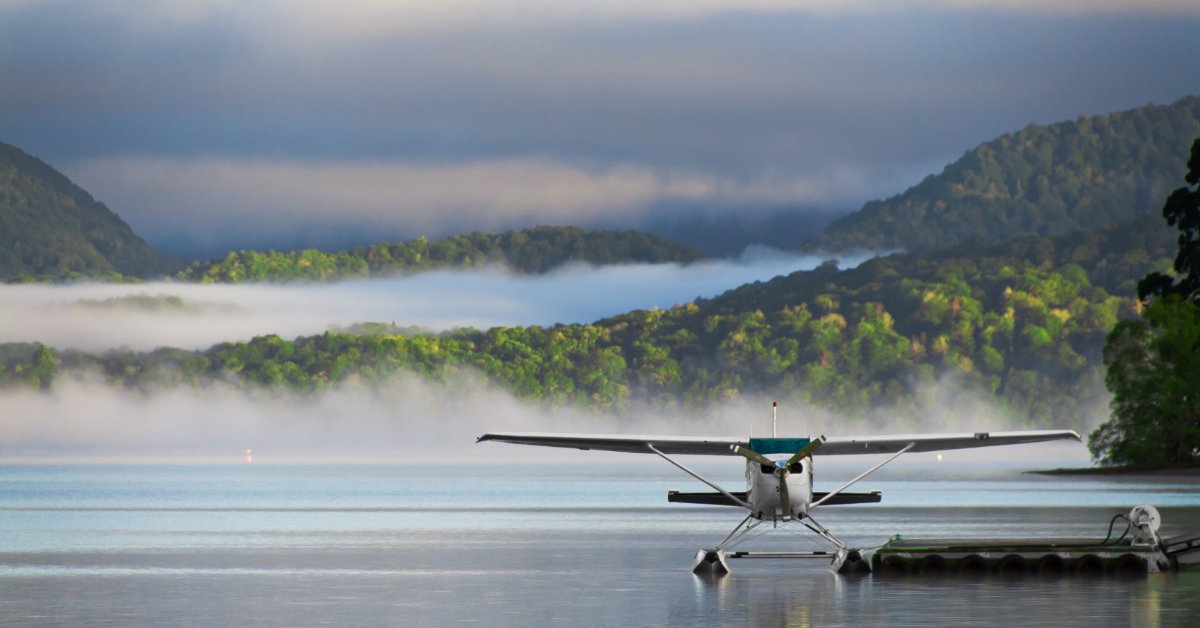
Wilderness Property Provides Space Away From Development
Development changes landscapes, traffic patterns, and the character of communities. Buyers who prefer less-developed surroundings may find Alaska's wilderness properties especially appealing.
A remote parcel can provide significant separation from commercial areas and residential neighborhoods. Still, buyers should research nearby ownership, planned development, road projects, and land-use regulations before purchasing. A property's surroundings can change over time, even when the area currently feels isolated.
Buyers Can Choose From Diverse Landscapes
Alaska covers an enormous geographic area, so its land varies considerably from one region to another. Buyers may encounter forests, mountains, valleys, tundra, wetlands, river corridors, coastal environments, and combinations of several terrain types.
These differences affect more than scenery. Terrain can influence access, construction possibilities, drainage, recreation, and the cost of maintaining a property. Buyers who buy land in Alaska should compare parcels based on practical characteristics as well as the natural setting.
Wilderness Land Appeals to Cabin Buyers
A remote cabin represents a classic use for wilderness property. Some buyers want a seasonal destination where they can spend time outdoors without committing to a full-time residence in a remote area.
Building a cabin requires more research than simply choosing a scenic location. Buyers should check local construction requirements, legal access, terrain, soil conditions, and the logistics of transporting materials. Remote construction may require specialized planning when standard road access does not exist.
Alaska Can Offer a Strong Sense of Solitude
Privacy and solitude overlap, but they do not mean exactly the same thing. Privacy focuses on separation from other people, while solitude describes the experience of spending time in a quieter, less-developed environment.
For some land buyers, that experience matters as much as acreage or potential uses. Wilderness property can provide an environment where natural features play a larger role in everyday surroundings. Buyers should also consider whether they feel comfortable with the practical realities that accompany extended time in isolated locations.
Outdoor Enthusiasts Can Create a Personal Base Camp
Some buyers want wilderness property primarily as a starting point for outdoor activities. A strategically located parcel may serve as a personal base for exploring nearby public lands, waterways, trails, or recreational areas where access permits.
Before purchasing, buyers should determine how they will actually reach those destinations from the property. Maps can make locations appear close even when rivers, mountains, wetlands, or missing roads complicate travel. Understanding the surrounding terrain can help buyers choose land that supports their intended recreational plans.
Seasonal Use Gives Buyers More Flexibility
Not every Alaska landowner plans to live on the property throughout the year. Seasonal ownership may make sense for buyers who want to visit during certain months for recreation, vacations, hunting, fishing, or other activities.
Seasonal use still requires preparation. Owners need a plan for securing structures, storing equipment, handling weather conditions, and checking the property during long absences. They should also understand how seasonal changes affect transportation and access.
Remote Property Encourages Greater Self-Sufficiency
Wilderness ownership often requires people to solve problems that developed properties handle through established services. That responsibility attracts buyers who value self-sufficiency and want greater control over how they maintain and use their land.
Depending on the parcel, owners may need to manage energy, water sources, heating, communications, transportation, and routine upkeep themselves. Buyers should evaluate these responsibilities realistically before purchasing. Self-sufficiency can feel rewarding, but it requires preparation, appropriate skills, and dependable equipment.
Alaska Wilderness Land Comes With Unique Access Considerations
Access deserves close attention with any rural property, but it becomes especially important in Alaska. A parcel may have direct road access, seasonal road access, water access, or another transportation arrangement.
Before buying, prospective owners should understand:
- How they can legally reach the property
- Whether access changes with the seasons
- What transportation they may need
- How weather affects travel
- How they will bring in building materials and supplies
- How far the property sits from essential services
Buyers should confirm these details rather than rely only on online maps or straight-line distances. The difference between physical proximity and practical accessibility can significantly affect how someone uses wilderness land.
Wildlife Adds to the Appeal of Rural Property
Alaska's wildlife contributes to the character of its wilderness areas. Buyers interested in wildlife viewing, photography, hunting, or simply spending time in natural surroundings may consider this an important advantage.
Wildlife also requires responsible property use. Owners need to store food and waste appropriately, understand local animal activity, and follow applicable hunting and wildlife regulations. Buyers should view wildlife as part of the environment rather than assume they can control how animals interact with a property.
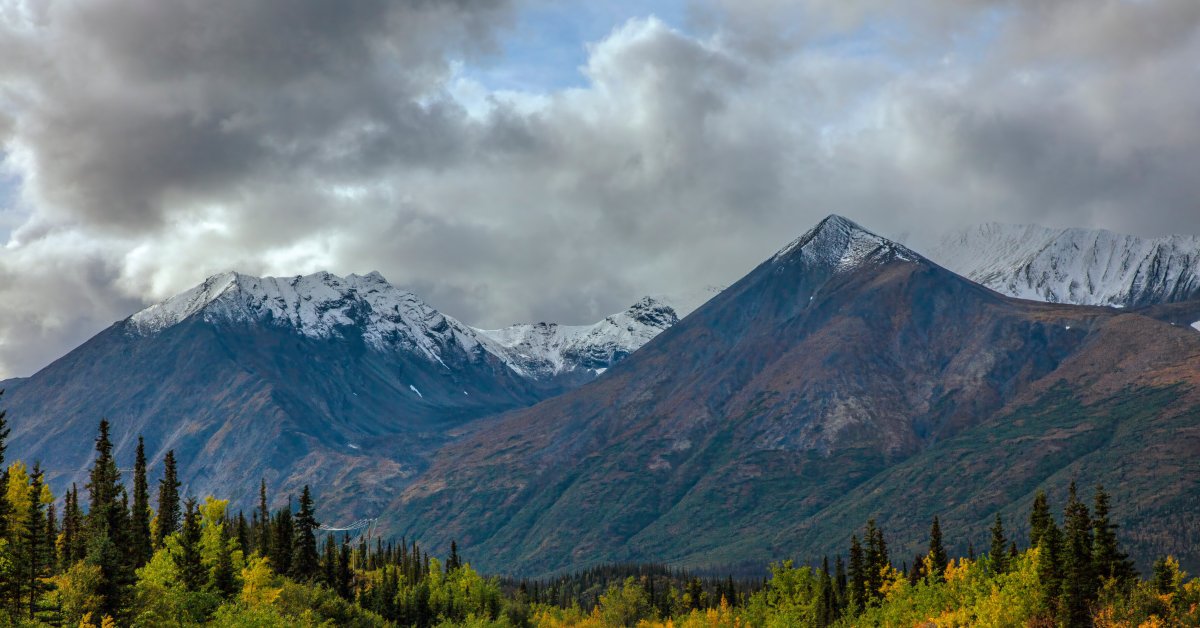
Wilderness Land Can Offer a Long-Term Ownership Opportunity
Some people purchase remote land because they want to hold property for many years. They may use it immediately for recreation, gradually improve it, or keep it largely undeveloped.
Long-term ownership still brings ongoing responsibilities. Property taxes, maintenance, access conditions, changing regulations, and environmental factors can affect ownership over time. Buyers should consider those costs and responsibilities before deciding that a parcel suits their long-range plans.
Buyers Have the Freedom to Define Their Own Goals
One of the strongest attractions of wilderness land involves the range of possible ownership goals. One buyer may want a quiet camping property, while another may envision a remote cabin or recreational base.
The key lies in matching the land to the intended use. Buyers should research zoning, legal access, terrain, building requirements, utilities, nearby services, and other parcel-specific conditions before completing a purchase. Careful research can prevent a buyer from choosing beautiful land that does not support the intended plans.
Is Alaska Wilderness Land Right for You?
Alaska wilderness land appeals to buyers who value privacy, outdoor recreation, open space, solitude, and the possibility of a more self-sufficient lifestyle. The same characteristics that make remote property attractive can also create challenges involving access, weather, infrastructure, and maintenance.
Prospective buyers should decide how they want to use the land first, then evaluate properties against those goals. A clear understanding of access, terrain, regulations, seasonal conditions, and ownership responsibilities can make it easier to identify a suitable parcel. With thoughtful research and realistic expectations, buyers can determine whether Alaska wilderness land fits the lifestyle and level of responsibility they want.

