

Pros and Cons of New Mexico Off-Grid Land Parcels
July 31, 2026 7:10 am PST

Off-grid living appeals to people who want more independence, privacy, and flexibility than traditional neighborhoods can offer. New Mexico continues to attract attention because of its wide-open landscapes, sunny climate, and relatively affordable rural property. Buyers looking for remote land often consider the state as a place to build a cabin, establish a homestead, or create a recreational retreat.
However, every off-grid property comes with tradeoffs. Remote parcels provide freedom, but they also require careful planning. Understanding both the advantages and challenges helps buyers make informed decisions before purchasing.
Whether you want a long-term residence or a weekend getaway, knowing what to expect from New Mexico off-grid land can help you choose the right parcel.
Why Buyers Choose New Mexico for Off-Grid Living
New Mexico offers several qualities that make it attractive for off-grid lifestyles. Large stretches of undeveloped land create opportunities that many other states cannot match. Rural counties often feature affordable acreage, minimal development, and scenic surroundings.
The state's dry climate also appeals to many buyers. Many regions receive abundant sunshine throughout the year, making solar power a practical option for off-grid homes. Combined with lower population density, these conditions support greater independence from public utilities.
Many outdoor enthusiasts also appreciate easy access to hiking, hunting, camping, and public lands throughout the state.
Pro: Lower Land Prices Compared to Many States
One of the biggest advantages involves affordability. Rural land in New Mexico often costs less than similar acreage in neighboring western states.
Lower purchase prices allow buyers to invest more money into infrastructure such as:
- Solar panels
- Water storage systems
- Septic installation
- Access roads
- Small cabins or homes
Affordable land also gives investors greater flexibility when purchasing larger parcels. Buyers who need additional privacy or room for livestock often find better value in New Mexico than in states with rapidly increasing land prices.
Pro: Excellent Solar Energy Potential
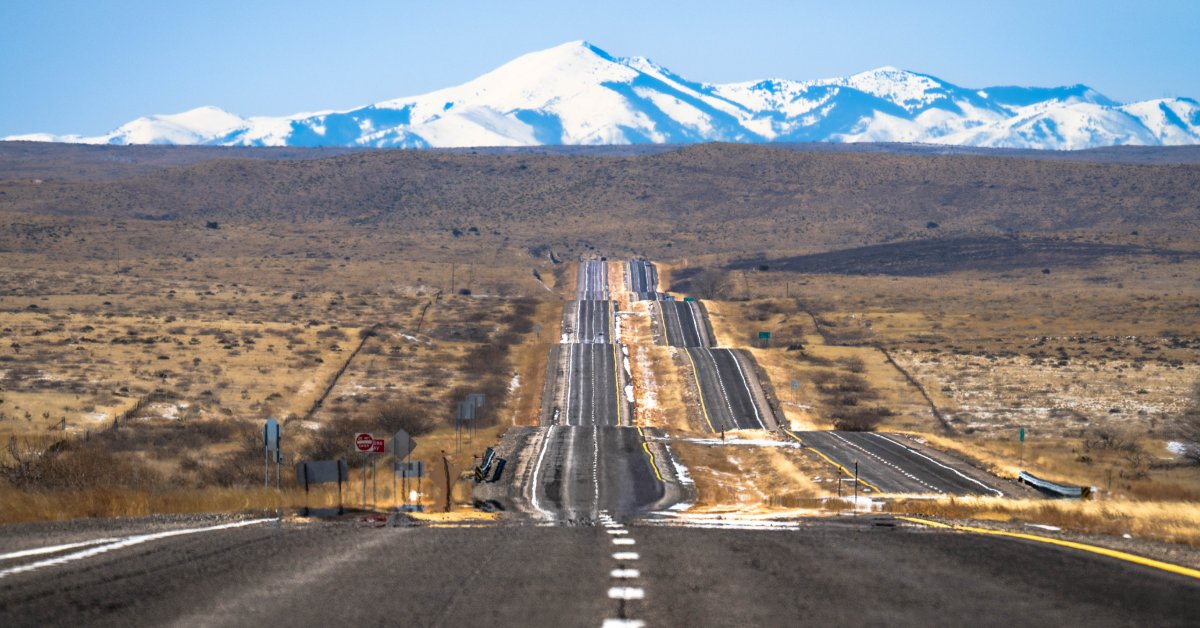
Reliable sunshine remains one of New Mexico's strongest advantages for off-grid properties.
Many areas receive well over 250 sunny days each year. This level of solar exposure allows photovoltaic systems to generate significant electricity throughout much of the year.
Modern battery storage systems make solar energy even more practical. Buyers can often operate lighting, appliances, pumps, and communication systems without relying on the electrical grid.
Although backup generators remain useful during extended storms, many off-grid homeowners depend primarily on solar power.
Pro: Greater Privacy and Space
Remote parcels naturally offer more separation from neighbors than suburban developments.
Many buyers value this privacy for several reasons:
- Quiet surroundings
- Reduced traffic
- Better opportunities for recreation
- Space for gardening
- Room for livestock
- Fewer neighborhood restrictions
People seeking a slower pace often appreciate the peaceful atmosphere that rural New Mexico provides.
Larger lots also create flexibility when designing buildings, workshops, storage structures, or agricultural projects.
Pro: Flexible Recreational Opportunities
Off-grid land often serves multiple purposes.
Some owners build permanent homes, while others use their property seasonally for camping, hunting, or vacation cabins.
Depending on the parcel's location, owners may enjoy activities such as hiking, wildlife photography, horseback riding, stargazing, or ATV riding.
The state's diverse geography offers everything from desert landscapes to forested mountains, allowing buyers to choose environments that match their interests.
Pro: Potential for Long-Term Investment
Vacant land typically requires less maintenance than developed property.
Many buyers purchase land with long-term appreciation in mind. As populations grow and development expands, desirable rural acreage may increase in value over time.
Growing interest in remote work and self-sufficient living has also increased attention on rural properties throughout the western United States.
While appreciation never comes with guarantees, undeveloped land can become a valuable long-term asset when buyers select strong locations.
Con: Water Availability Requires Careful Research
Water represents one of the most important considerations for any off-grid property.
Unlike traditional homes connected to municipal systems, remote parcels may require private wells, water hauling, rainwater collection, or storage tanks.
Not every parcel provides easy access to groundwater. Well drilling costs can vary significantly depending on depth and geology.
Before purchasing land, buyers should research:
- Local groundwater conditions
- Existing wells nearby
- Water rights
- Annual precipitation
- Water hauling options
Con: Utility Installation Can Become Expensive
Living off the grid eliminates monthly utility bills, but it increases upfront infrastructure costs.
Most buyers must install their own systems for electricity, water, wastewater, and heating.
Common expenses include:
- Solar equipment
- Batteries
- Inverters
- Septic systems
- Water tanks
- Propane storage
- Backup generators
Although these systems create greater independence, they require planning, maintenance, and periodic replacement.
Budgeting for infrastructure remains just as important as budgeting for the land itself.
Con: Road Access May Vary
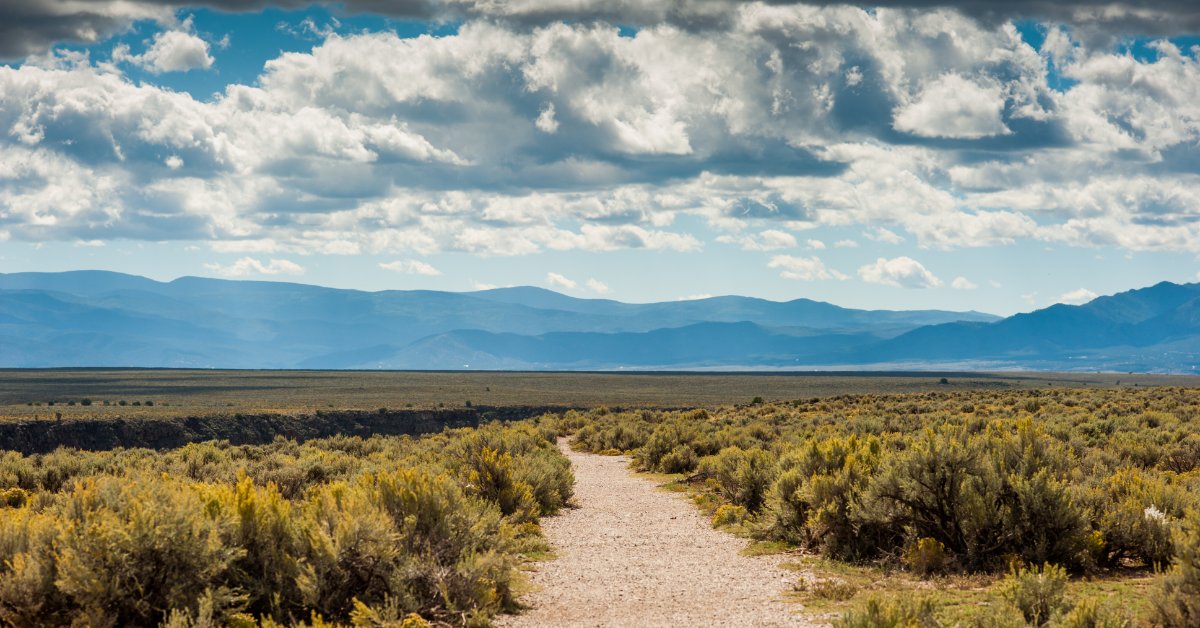
Not every rural parcel offers easy year-round access.
Some roads remain unpaved, while others become difficult after heavy rain or snow. Seasonal conditions can affect travel, especially in mountainous regions.
Buyers should inspect roads personally whenever possible.
Questions worth asking include:
- Is the road publicly maintained?
- Does the property require four-wheel drive?
- Are easements properly recorded?
- Can emergency vehicles reach the property?
Reliable access becomes especially important for full-time residents.
Con: Limited Cell Service and Internet Options
Many remote areas lack strong cellular coverage.
Internet access may also depend on satellite providers or fixed wireless services rather than cable or fiber connections.
Remote workers should verify available internet options before purchasing land.
Fortunately, satellite internet technology continues improving, making remote living more practical than it was only a few years ago.
Still, buyers should confirm actual service availability rather than assuming coverage exists.
How Climate Affects Off-Grid Living
New Mexico's climate varies considerably from one region to another.
Southern portions experience warmer temperatures and less snowfall. Northern elevations often receive colder winters and occasional heavy snow.
Temperature swings between day and night also occur throughout much of the state.
Buyers should consider how local weather affects:
- Solar production
- Water storage
- Heating systems
- Road conditions
- Building materials
- Seasonal accessibility
Selecting equipment designed for local conditions improves long-term reliability.
What Buyers Should Evaluate Before Purchasing
Every parcel deserves careful evaluation before making an offer.
Start by confirming legal access and reviewing property boundaries. Investigate utility options, water availability, and zoning regulations early in the process.
Topographic maps, aerial imagery, and county records provide valuable information before visiting the property.
Buyers should also calculate the total project cost rather than focusing only on the purchase price. Infrastructure often represents a substantial portion of the overall investment.
Is Off-Grid Land in New Mexico the Right Choice?
Off-grid living offers tremendous freedom, but it also requires preparation and realistic expectations.
Buyers who enjoy independence, outdoor recreation, and self-sufficiency often find New Mexico an appealing destination. Affordable acreage, excellent solar potential, and wide-open landscapes continue attracting people interested in remote living.
At the same time, successful off-grid ownership depends on thoughtful planning. Water access, infrastructure costs, road conditions, and local regulations deserve careful attention before purchasing.
For buyers researching New Mexico land for sale, understanding these advantages and challenges creates a stronger foundation for choosing property that supports both immediate goals and long-term plans. With careful research and realistic budgeting, an off-grid parcel in New Mexico can provide years of enjoyment and opportunity.

