

Pros and Cons of Buying Land in Rural New Mexico
May 28, 2026 11:53 am PST

Rural New Mexico attracts buyers who want wide-open space, lower land prices, and more freedom to use property their own way. The state offers mountain views, desert landscapes, forests, and remote recreational areas that appeal to investors, retirees, outdoor enthusiasts, and future homesteaders. Many buyers also appreciate the slower pace and privacy that rural communities provide.
At the same time, rural land ownership comes with challenges that buyers should understand before making a purchase. Water access, infrastructure, zoning, and distance from services can all affect the value and usability of a property. Buyers who understand both the benefits and drawbacks can make smarter long-term decisions.
Why Rural New Mexico Attracts Land Buyers
New Mexico offers large amounts of undeveloped land compared to many other western states. Buyers often find lower prices per acre than neighboring states like Colorado or Arizona. Rural areas also provide opportunities for recreational use, off-grid living, camping, and future development.
The state's geography adds to its appeal. Northern New Mexico includes forests and mountains, while southern regions feature open desert terrain and warmer weather. Buyers can choose properties that fit different lifestyles and budgets.
Many people searching for land for sale in New Mexico also value the state's relaxed atmosphere and scenic environment. Rural counties often have fewer restrictions than urban areas, which appeals to buyers who want flexibility.
Pro: Lower Land Prices Compared to Other Western States
One major advantage of rural New Mexico land involves affordability. Buyers can often purchase several acres for far less than comparable land in states with larger populations and stronger housing demand.
Lower entry prices make rural land attractive for first-time investors and recreational buyers. Some people buy land for long-term appreciation, while others purchase property for camping, hunting, or retirement planning.
Lower purchase prices may also reduce financing pressure. Buyers who cannot afford property in more expensive western markets sometimes turn to New Mexico for more realistic opportunities.
Pro: Wide Variety of Landscapes and Uses
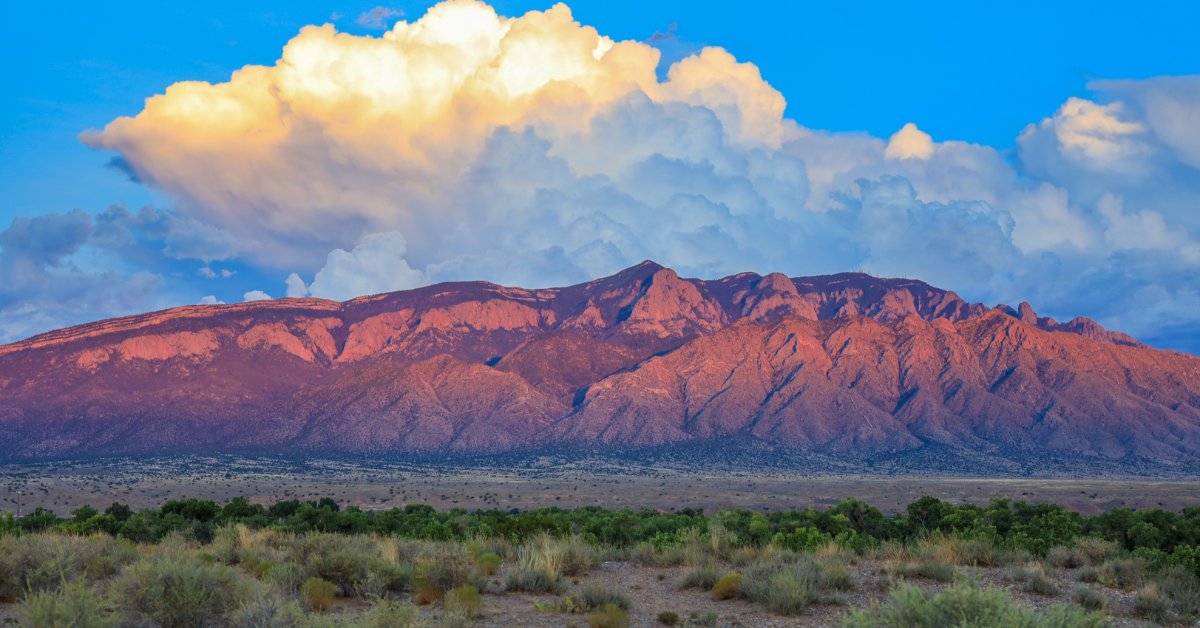
Rural New Mexico offers diverse terrain that supports different land uses. Some properties feature mountain views and forests, while others include open plains or desert landscapes.
This variety gives buyers more flexibility. Recreational users may prefer heavily wooded acreage near hunting areas. Investors may look for parcels near growing towns or highways. Future homesteaders may focus on land with solar potential and enough acreage for livestock or farming.
Different regions also support different climates. Northern New Mexico generally receives cooler temperatures and more snowfall, while southern areas stay warmer year-round.
Pro: Greater Privacy and Open Space
Many rural buyers want distance from crowded neighborhoods and city development. Rural New Mexico provides that opportunity in many counties across the state.
Large lot sizes create privacy that urban and suburban properties rarely offer. Buyers can enjoy outdoor recreation, quiet surroundings, and fewer nearby neighbors. This environment appeals to people who value independence and space.
The slower pace also attracts retirees and remote workers. Some buyers purchase rural land simply to create a future getaway location away from busy metropolitan areas.
Pro: Strong Recreational Opportunities
Outdoor recreation plays a major role in rural land demand throughout New Mexico. Buyers often use rural properties for camping, hunting, hiking, horseback riding, and ATV use.
New Mexico contains public lands, national forests, and wildlife areas that support year-round outdoor activity. Rural properties located near these areas may attract stronger long-term interest from recreational buyers.
Hunters especially value certain regions for elk, deer, and turkey hunting. Recreational demand can help preserve property value in areas with strong outdoor tourism and wildlife access.
Pro: Potential for Off-Grid Living
Many rural New Mexico buyers pursue off-grid lifestyles. The state's abundant sunshine supports solar energy systems, while remote areas offer fewer development restrictions than urban communities.
Off-grid living appeals to buyers who want lower utility costs or greater self-sufficiency. Some rural properties already support alternative power systems and water collection setups.
New Mexico's dry climate also helps reduce some maintenance concerns associated with wetter regions. Solar systems generally perform well throughout much of the state because of consistent sunlight.
Con: Limited Access to Utilities
One major drawback of rural land involves infrastructure limitations. Many remote properties lack access to electricity, public water systems, sewer connections, or high-speed internet.
Buyers may need to install solar systems, generators, septic tanks, wells, or propane systems. These improvements can increase overall ownership costs significantly.
Internet access also varies widely across rural counties. Buyers who work remotely should verify service availability before purchasing property.
Utility extension costs can surprise inexperienced buyers. Running power lines to remote land may cost thousands of dollars depending on distance and terrain.
Con: Water Rights and Water Availability
Water access represents one of the most important concerns in rural New Mexico. The state has an arid climate, and water regulations can become complicated in certain regions.
Buyers should carefully investigate water rights before purchasing land. A property may not automatically include the ability to drill a well or use groundwater freely.
Some areas also experience groundwater limitations or restrictions. Even when well drilling remains possible, drilling costs can become expensive depending on depth and location.
Before purchasing rural land, buyers should research:
- Existing water rights
- Well permit requirements
- Local groundwater conditions
- Seasonal water availability
- Water hauling options if necessary
Understanding water access early helps buyers avoid major surprises after closing.
Con: Distance From Services and Amenities
Rural living often requires longer travel times for groceries, healthcare, schools, and emergency services. Some remote properties sit many miles away from paved roads or nearby towns.
This isolation may not work well for every buyer. Emergency response times can increase in remote areas, especially during poor weather conditions.
Buyers should also consider fuel costs and travel convenience. Regular trips for supplies or work may become time-consuming depending on property location.
Some buyers enjoy rural isolation at first but later discover they prefer easier access to services and entertainment.
Con: Difficult Terrain and Property Access
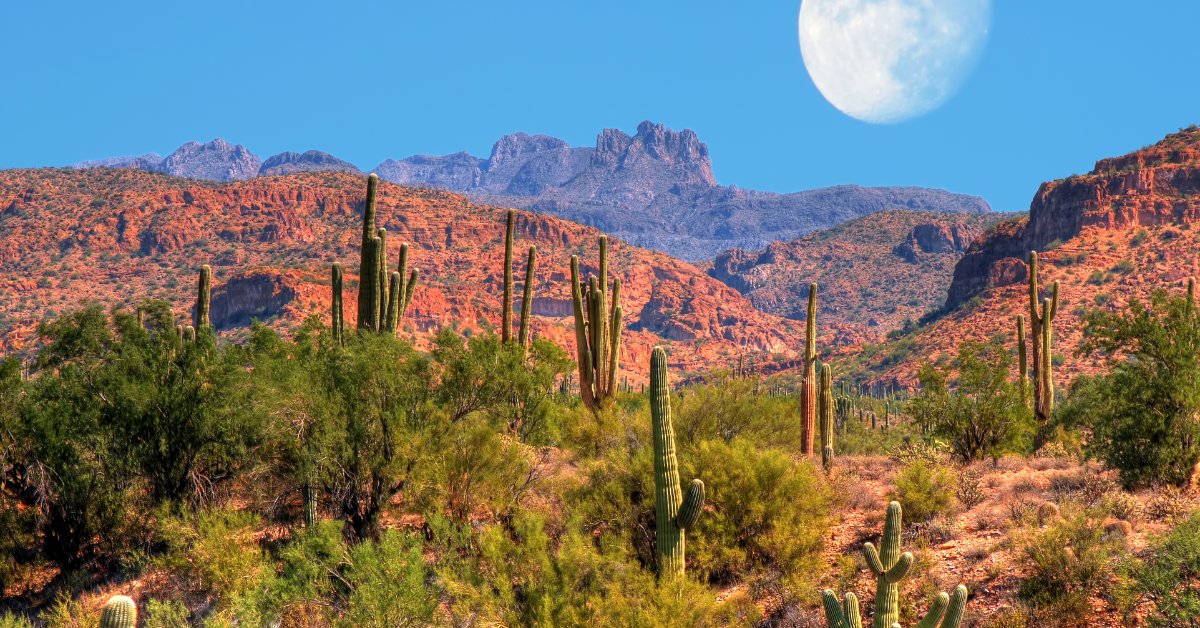
Certain rural New Mexico properties include rugged terrain, steep slopes, or poor road access. Land may appear attractive online but present practical challenges during actual use.
Unmaintained roads can become difficult during rain or snow. Some areas require four-wheel-drive vehicles to reach safely throughout the year.
Buyers should inspect physical access before purchasing. Legal access also matters. Some parcels lack direct public road access, which can create long-term complications.
Survey issues occasionally affect remote land as well. Property boundaries may not appear clearly marked in undeveloped regions.
Con: Financing Can Be More Difficult
Financing rural vacant land usually differs from financing a traditional home purchase. Many lenders consider undeveloped rural land a higher-risk investment.
As a result, buyers may face:
- Larger down payment requirements
- Higher interest rates
- Shorter loan terms
- Fewer lender options
Remote properties with no utilities or road access often create additional financing challenges. Some buyers choose owner financing or cash purchases because traditional financing options remain limited.
Buyers should review financing terms carefully before starting their land search.
What Buyers Should Research Before Purchasing
Successful land buyers spend time researching every aspect of a property before closing. Rural land ownership requires more due diligence than many first-time buyers expect.
Key research areas include access, utilities, zoning, water rights, taxes, surveys, and topography. Buyers should also visit properties in person whenever possible.
Working with experienced land professionals can also help buyers navigate complex rural land transactions more confidently.
Rural New Mexico land offers opportunities that many buyers find appealing. Affordable prices, open space, recreational access, and off-grid potential continue drawing interest across the state. At the same time, buyers must carefully evaluate infrastructure, water access, and property usability before making a decision.

