

How Population Growth Drives Land Scarcity
February 2, 2026 11:52 am PST

The world’s population continues to climb, but the amount of land on Earth remains exactly the same. This simple math creates a complex challenge for everyone, from city planners to individual homebuyers. As more people inhabit the planet, the competition for space intensifies. You can see this happening in real-time as cities stretch outward and open fields turn into neighborhoods.
Understanding the relationship between population numbers and land availability helps you make smarter decisions about real estate. Whether you want to buy a plot for a future home or simply understand why prices keep climbing, the dynamics of supply and demand tell the story. When the demand for space outpaces the supply of usable earth, scarcity becomes the defining factor of the market.
Cities Expand Their Physical Footprint
Urban areas act as the primary engines of land consumption. As populations swell, cities must find room to house, employ, and entertain new residents. This pressure forces urban centers to expand outward into the surrounding countryside. This process, often called urban sprawl, consumes vast amounts of previously undeveloped territory.
City planners and developers look to the edges of current metropolitan areas for relief. They turn forests, deserts, and plains into suburbs and commercial districts. This expansion reduces the overall inventory of raw, untouched land available for other uses. The growth of a city might seem slow day-to-day, but over a decade, it can swallow thousands of acres that once sat vacant.
Builders Shrink Lot Sizes for Efficiency
Developers face a difficult equation when creating housing for more people on limited ground. To maximize the utility of a single acre, they often reduce the size of individual lots. You might notice that newer subdivisions feature homes sitting much closer together than those in older neighborhoods.
This trend allows builders to fit more families into the same geographic footprint. While this helps accommodate population growth, it also fundamentally changes what it means to own land. Finding a large, sprawling backyard becomes increasingly difficult and expensive. The scarcity of land forces a shift toward density, trading personal acreage for housing availability.
Developers Convert Farms into Neighborhoods
One of the most visible signs of land scarcity involves the transition of agricultural areas into residential zones. Farmers often own large tracts of flat, clear land that sit just outside growing towns. These properties attract developers who need space for new housing projects.
As the demand for homes rises, the value of the land for development often exceeds its value for farming. Landowners frequently sell their fields to builders, who then transform rows of crops into rows of houses. This conversion process permanently removes that acreage from the agricultural inventory. It solves an immediate housing need but contributes to the shrinking availability of open rural space.
New Residents Require More Infrastructure
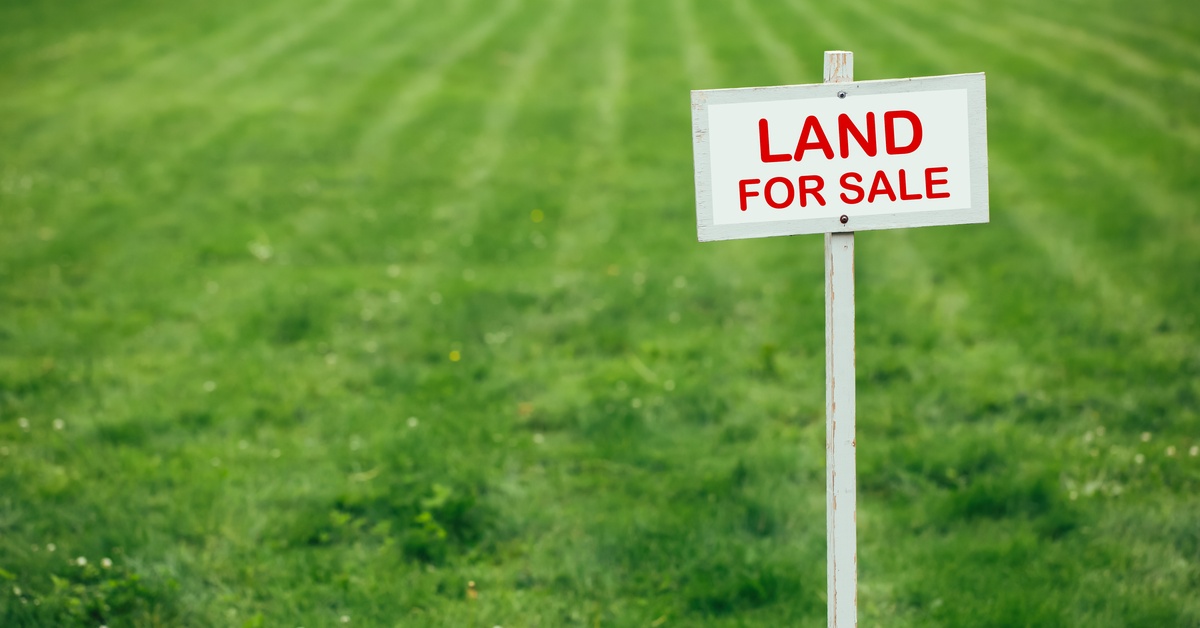
People need more than just houses; they need roads, schools, hospitals, and shopping centers. Every time a community grows, the supporting infrastructure must grow with it. This necessary construction consumes significant amounts of land that developers might otherwise use for housing or preservation.
Consider the footprint of a new highway interchange or a large high school campus. These projects require dozens of acres. Utility companies also need easements for power lines and pipelines to serve the expanding population. This infrastructure "eats" into the remaining supply of buildable land, further tightening the market for private buyers.
Protected Areas Reduce Developable Inventory
Governments and conservation groups often step in to protect natural landscapes from the pressures of population growth. They designate national parks, wildlife refuges, and green belts to make sure some land remains untouched. While these efforts preserve nature for future generations, they also remove that land from the open market.
This creates a necessary tension between conservation and development. By legally preventing construction on specific tracts, society ensures that not every acre turns into concrete. However, this also concentrates demand onto the remaining unrestricted parcels. The available supply shrinks, making the remaining developable plots more valuable and harder to secure.
High Demand Increases Property Costs
The most direct result of land scarcity appears in the price tag. When more people compete for the same number of acres, prices inevitably rise. This economic reality affects everything from tiny city lots to large rural parcels. You pay a premium for the privilege of ownership when supply runs low.
This price escalation pushes many buyers to look further away from job centers. People who might prefer a home close to the city often find they can only afford land in outlying counties. This financial pressure ripples outward, spreading the demand, and the subsequent price hikes, to areas that once seemed remote and affordable.
Local Governments Adjust Zoning Density
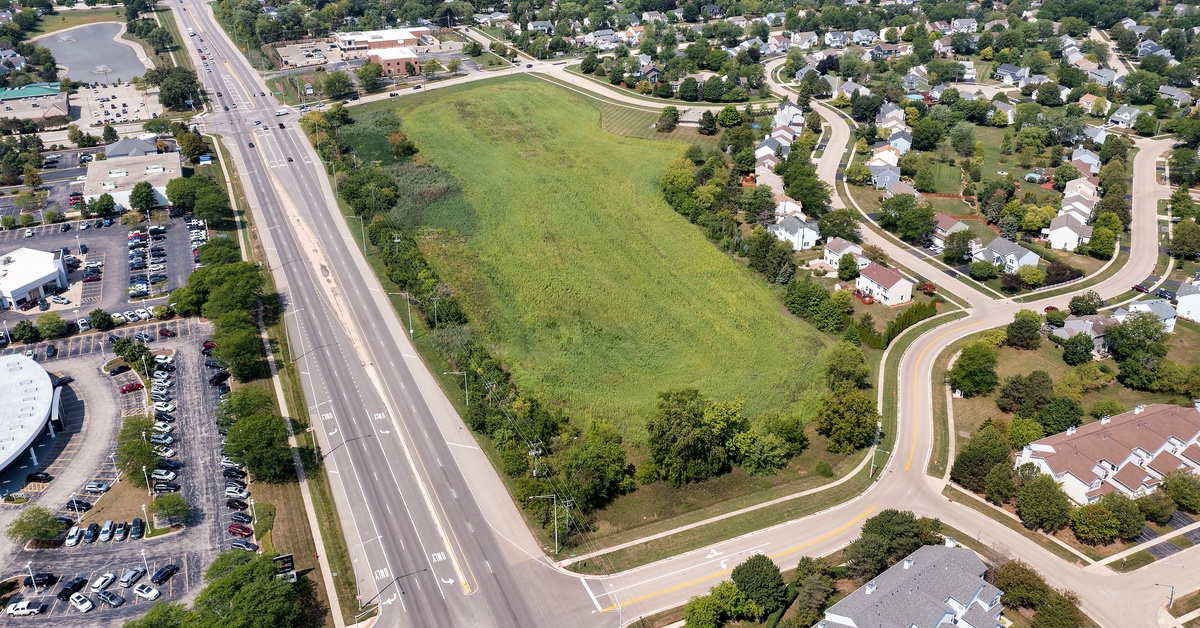
Town councils and planning boards react to population pressure by changing the rules of what landowners can build. In areas with severe land scarcity, officials often rezone properties to allow for higher density. This might mean allowing apartment complexes in areas previously designated for single-family homes or permitting accessory dwelling units (ADUs) in backyards.
These regulatory changes aim to fit more people into existing spaces. They represent a legal recognition that land has become too scarce to use inefficiently. For land buyers, this can be a benefit or a hurdle. It might offer more opportunities to build, but it also means your neighbors might live closer than you expected.
Natural Resources Dictate Land Utility
Not all vacant land works for building. Geography limits where expanding populations can settle. Mountains, wetlands, steep slopes, and flood zones render huge areas unsuitable for traditional development. As population growth consumes the "easy" land—flat, dry, and stable—developers must contend with difficult terrain.
This creates a scarcity within scarcity. Just because a map shows open space does not mean a builder can put a house there. The supply of buildable land runs out much faster than the supply of land in general. Competition focuses intensely on the parcels that possess the right soil conditions and topography for construction.
Migration Patterns Shift Regional Scarcity
Population growth does not happen evenly across the map. People migrate toward jobs, better climates, and affordable living. This movement shifts the burden of land scarcity to specific regions. A quiet state might suddenly experience a boom as remote workers and retirees flock to its scenic areas.
For example, many buyers now look specifically for Washington state land for sale to escape crowded urban centers elsewhere. When a wave of interest hits a specific market, the local inventory vanishes quickly. This sudden influx turns a once-abundant market into a scarce one almost overnight, catching locals and newcomers off guard with rapid price increases and limited options.
Navigating a Crowded Market
The connection between population numbers and land availability drives every aspect of the real estate market. From the size of your backyard to the price you pay for a rural getaway, scarcity dictates the terms. Urban sprawl, infrastructure needs, and the basic limitations of geography all play a role in tightening the supply.
You can still find the right property, but it requires patience and a clear understanding of these forces. By recognizing why land becomes harder to find, you can adjust your search strategy. Look for areas just ahead of the growth curve or consider parcels that others might overlook. The earth may not be getting any bigger, but opportunities still exist for those who know where to look.

