

Evaluating Soil Quality Before You Buy Land
February 9, 2026 11:59 am PST

Soil quality plays a major role in how land performs over time. Whether the goal involves building, farming, recreation, or long-term investment, the condition of the soil affects usability, costs, and value. Many buyers focus on location and price first, but soil determines what the land can realistically support.
Evaluating soil before a purchase helps buyers avoid expensive surprises. Poor drainage, contamination, or low fertility can limit plans or require costly remediation. Understanding soil characteristics early creates confidence and supports smarter decisions when purchasing land.
Below are the most important soil-related factors to evaluate before committing to a land purchase.
What Does Soil Quality Tell You About Land Use?
Soil quality describes how well soil supports intended uses such as construction, agriculture, or recreation. Healthy soil balances nutrients, structure, moisture, and biological activity. Each of these elements influences how the land performs over time.
Strong soil quality often signals fewer limitations. Weak soil quality can restrict building options, crop viability, and erosion control. Buyers who understand these indicators can match land to realistic goals instead of assumptions.
Soil does not need to be perfect to hold value. It does need to align with how the buyer plans to use the property.
How Does Soil Type Affect the Land’s Potential?
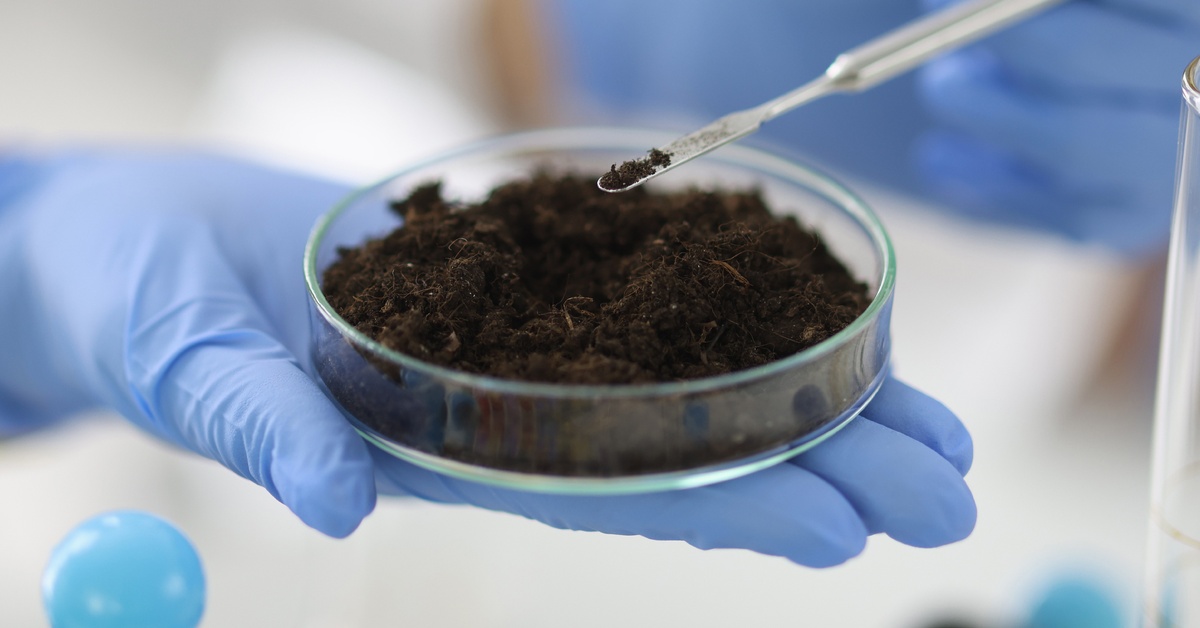
Soil type refers to the proportion of sand, silt, and clay in the ground. These components influence drainage, stability, and nutrient retention. Each soil type behaves differently under pressure, water, and temperature changes.
Sandy soils drain quickly but struggle to retain nutrients. Clay-heavy soils hold water well but can cause drainage issues and foundation challenges. Loamy soils provide balance and support a wide range of uses.
Knowing soil type helps buyers predict how the land responds to rain, drought, and construction activity.
Why Does Soil Drainage Matter Before Buying Land?
Drainage affects usability, maintenance costs, and long-term land health. Poor drainage can cause standing water, erosion, and structural issues. Excess moisture can also limit septic system placement and building permits.
Buyers should observe signs of drainage problems during site visits. Pooling water, muddy ground, and erosion channels often indicate underlying soil challenges. County soil surveys can also reveal known drainage classifications.
Land with good drainage supports more flexible use and requires fewer corrective measures.
How Can Soil Composition Impact Building Plans?
Soil composition directly affects foundation stability. Expansive clay soils can swell and shrink with moisture changes, which increases the risk of cracking. Loose or sandy soils may require additional reinforcement.
Local building codes often refer to soil composition when determining foundation requirements. Buyers who evaluate soil early can estimate construction feasibility and costs more accurately.
Skipping this step can lead to redesigns, delays, or unexpected expenses later in the process.
What Role Does Soil Fertility Play in Land Value?
Soil fertility measures the soil’s ability to support plant growth. Fertile soil contains balanced nutrients, organic matter, and healthy microbial activity. This factor matters even for buyers who do not plan to farm.
Vegetation stability reduces erosion and improves long-term land condition. Fertile soil also increases appeal for future buyers who may want agricultural or homesteading options.
A soil test can reveal nutrient levels and pH balance, which helps buyers understand improvement needs and potential.
How Do You Identify Soil Contamination Risks?
Soil contamination can limit land use and create legal or financial liability. Past land use often predicts contamination risk. Industrial sites, dumping areas, and former agricultural land with heavy chemical use deserve extra scrutiny.
Buyers should research historical land records and environmental databases. Visual indicators such as discoloration, chemical odors, or lack of vegetation may also signal concern.
Testing soil for contaminants provides clarity and protects buyers from inheriting costly cleanup obligations.
Why Should Buyers Review Soil Surveys and Reports?
Government soil surveys offer valuable insights without requiring immediate testing. These reports describe soil types, drainage capacity, erosion risk, and suitability for various uses.
The USDA Natural Resources Conservation Service provides detailed soil maps for most areas in the country. These resources help buyers narrow options before scheduling on-site evaluations.
Using existing data saves time and creates a stronger foundation for follow-up inspections.
How Can On-Site Soil Testing Improve Buying Decisions?
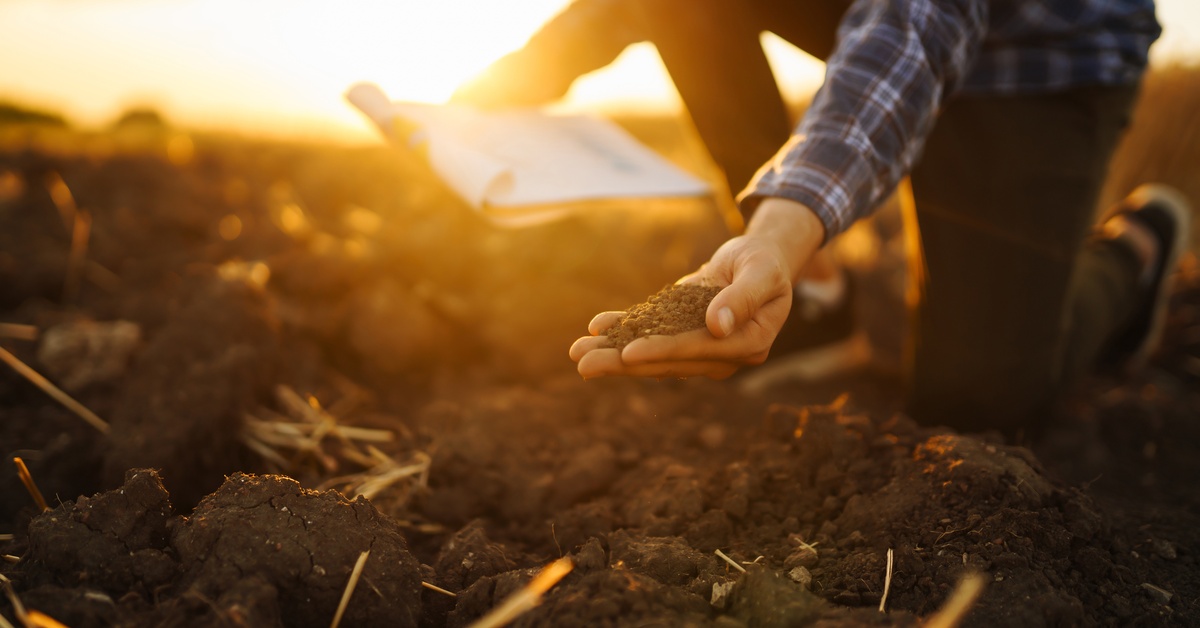
Soil testing provides direct, property-specific information. A professional test can measure texture, nutrient levels, pH, compaction, and contamination. These results support informed planning and budgeting.
Buyers often test soil when they plan agriculture, septic installation, or construction. Testing also helps confirm assumptions based on surveys or visual inspections. While testing adds upfront cost, it often prevents much larger expenses later.
What Visual Clues Can Indicate Soil Quality Issues?
Land often shows visible signs of underlying soil conditions. Buyers should look closely during site visits and note patterns across the property.
Common visual indicators include:
- Standing water or soggy ground after rainfall
- Severe erosion or exposed roots
- Sparse or uneven vegetation growth
- Cracked soil surfaces during dry conditions
These signs do not always eliminate a property, but they do signal areas that need closer evaluation.
How Does Soil Quality Affect Septic System Options?
Septic systems rely on soil to filter and absorb wastewater. Soil with poor drainage or high clay content may fail percolation tests. Failed tests can restrict building plans or require alternative systems.
Local health departments use soil characteristics to approve septic designs. Buyers should confirm soil suitability early if the land does not connect to municipal sewer systems. Ignoring septic compatibility can halt development plans entirely.
Why Does Soil Stability Matter for Long-Term Ownership?
Soil stability affects erosion resistance, structural integrity, and land maintenance costs. Unstable soil can shift, erode, or compact over time. These changes can damage roads, buildings, and landscaping.
Stable soil supports predictable land behavior. It also reduces ongoing management demands and unexpected repairs.
Long-term land value depends heavily on how well the soil holds up under use and weather conditions.
How Should Soil Evaluation Fit Into Online Land Purchases?
Many buyers now buy land online, which makes due diligence even more important. Photos and listings cannot replace soil data. Buyers should request surveys, reports, and testing opportunities before closing.
Reputable sellers provide transparency and access to information. Buyers who understand soil fundamentals can ask better questions and assess listings more confidently. Digital convenience should never replace careful evaluation.
How Can Soil Knowledge Protect Your Investment?
Soil quality shapes how land performs, what it costs to maintain, and how future buyers perceive value. Buyers who evaluate soil early reduce uncertainty and protect their investment.
Understanding soil supports better planning, smarter budgeting, and stronger negotiating positions. It also helps buyers choose land that aligns with real-world goals instead of assumptions.
When buyers treat soil as a priority instead of an afterthought, they make land ownership more predictable and rewarding.

