

Dos and Don’ts of Visiting Remote Alaska Land
July 16, 2026 7:57 am PST

Remote Alaska offers some of the most breathtaking landscapes in the United States. Towering mountains, vast forests, winding rivers, and untouched wilderness attract outdoor enthusiasts, investors, and future property owners alike. However, visiting remote land requires much more preparation than a typical weekend getaway. Alaska's terrain, weather, and isolation demand careful planning and responsible decision-making.
Whether you want to inspect property before purchasing or simply explore a rural parcel, understanding what to do and what to avoid can help you stay safe while protecting the land. Careful preparation allows you to make informed decisions while respecting Alaska's unique environment.
Why Remote Alaska Requires Extra Preparation
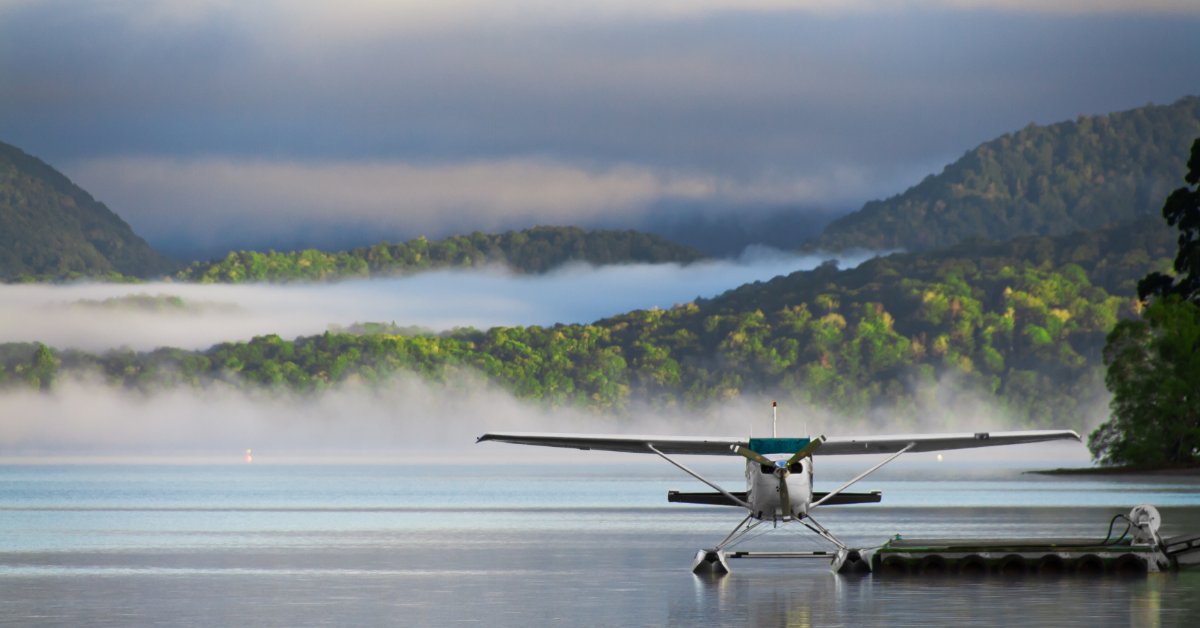
Many remote properties sit hours away from paved roads, populated communities, or emergency services. Some locations only offer access by bush plane, boat, ATV, snowmachine, or hiking trails depending on the season.
Cell phone coverage often disappears once you leave larger towns. Fuel stations, grocery stores, and repair services may remain dozens or even hundreds of miles away. Visitors must plan every detail before leaving civilization.
Preparation reduces unnecessary risks and allows you to enjoy the experience instead of reacting to unexpected problems.
Do Research Before Visiting the Property
Start with maps, aerial imagery, and property records before making travel arrangements. Learn how you can legally access the land and identify nearby roads, rivers, trails, or airstrips.
Research should include:
- Property boundaries
- Seasonal access conditions
- Terrain features
- Nearby communities
- Local wildlife activity
- Weather forecasts
- Land ownership surrounding the parcel
This information helps you estimate travel time and determine which equipment you need.
If you plan to evaluate land for sale in Alaska, researching access rights and seasonal conditions before your visit can prevent costly surprises after purchase.
Don't Assume Every Property Has Easy Access
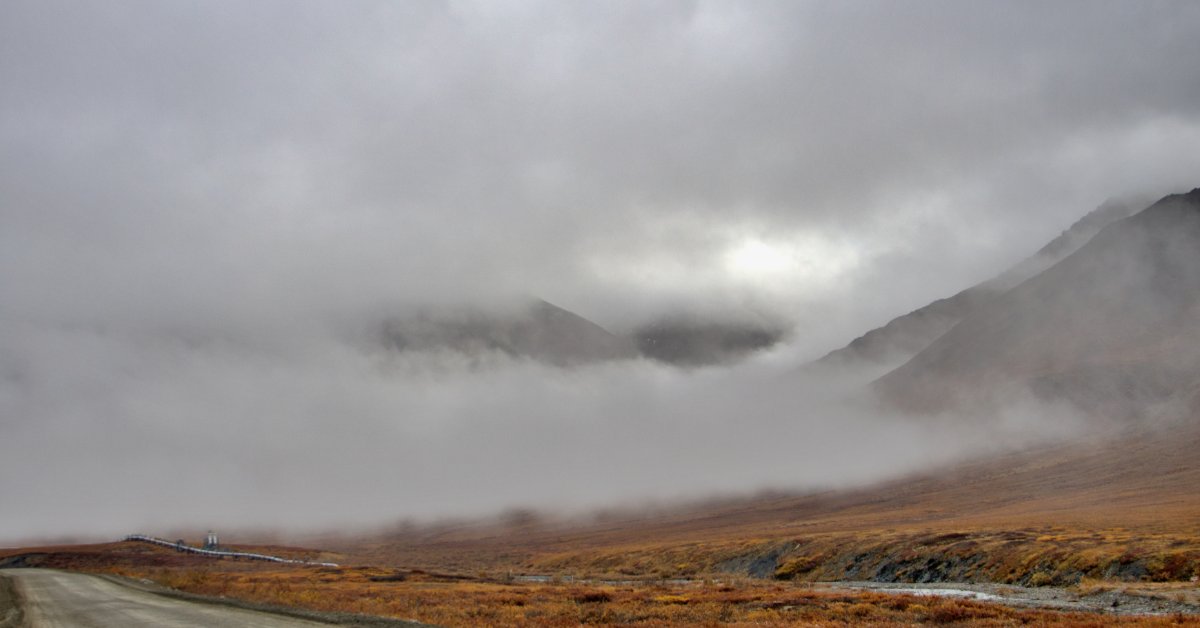
One of the biggest misconceptions about Alaska involves accessibility. A parcel that appears close to a highway on a map may still require crossing rivers, private property, wetlands, or steep terrain.
Some roads only remain usable during certain months. Snowmelt, heavy rain, or freezing temperatures can dramatically change travel conditions.
Verify legal access before your trip rather than assuming you can simply drive to the property.
Do Prepare for Rapid Weather Changes
Alaska weather changes quickly throughout the year. Sunshine can become heavy rain, dense fog, or strong winds within hours.
Dress in layers instead of relying on a single heavy jacket. Waterproof clothing, insulated boots, gloves, and extra socks help you stay comfortable even if conditions deteriorate.
Bring additional food, water, and emergency supplies in case weather delays your return trip.
Checking forecasts before departure helps, but you should always prepare for worse conditions than expected.
Don't Underestimate Travel Time
Distances across Alaska often look manageable on a map. Reality tells a different story.
Gravel roads, rough trails, river crossings, and mountainous terrain significantly slow travel. Even experienced outdoor travelers may cover fewer miles than anticipated.
Allow extra time for:
- Navigation
- Wildlife encounters
- Vehicle problems
- Weather delays
- Difficult terrain
- Rest breaks
Building flexibility into your schedule reduces unnecessary pressure and improves safety.
Do Carry Proper Navigation Equipment
GPS technology makes navigation easier, but electronics can fail due to battery issues, weather, or damaged equipment.
Carry multiple navigation tools, including:
- Paper topographic maps
- Compass
- GPS device
- Extra batteries
- Offline digital maps
Knowing how to use traditional navigation methods remains valuable when technology stops working.
Don't Rely Solely on Cell Phone Service
Many remote regions offer little or no cellular coverage. Even areas near highways can experience unreliable reception.
Tell someone exactly where you plan to travel and when you expect to return. Share your route and establish a check-in schedule whenever possible.
Satellite communicators or personal locator beacons provide an additional level of security for visitors exploring isolated locations.
Reliable communication becomes especially important when traveling alone.
Do Respect Wildlife at All Times
Alaska supports healthy populations of bears, moose, wolves, and many smaller animals. Seeing wildlife often becomes one of the highlights of visiting remote land.
Maintain safe distances without attempting to approach animals for photographs. Wildlife can become unpredictable when surprised or threatened.
Store food securely and keep campsites clean if your visit extends overnight.
Remain alert while hiking through dense vegetation where visibility becomes limited.
Respecting wildlife protects both visitors and the animals themselves.
Don't Leave Any Trace Behind
Remote Alaska remains beautiful because many areas experience very little human impact.
Pack out everything you bring with you, including food waste, trash, fishing line, and broken equipment.
Avoid damaging vegetation by staying on existing trails whenever practical. Respect waterways by preventing fuel spills and keeping pollutants away from streams and lakes.
Leaving the property exactly as you found it preserves Alaska's natural beauty for future visitors.
Do Inspect the Property Carefully
If your goal involves evaluating land, take time to thoroughly inspect the parcel instead of making a quick visit.
Pay attention to:
- Elevation changes
- Drainage patterns
- Soil conditions
- Vegetation
- Water sources
- Existing trails
- Nearby neighboring properties
Walk as much of the property as practical to understand how different sections compare.
Photos and online listings cannot replace firsthand observation.
Don't Ignore Seasonal Differences
A property may look completely different depending on the season.
Snow cover can hide wetlands, streams, and uneven terrain during winter. Dense summer vegetation may conceal trails or boundary markers.
Spring flooding can temporarily block access roads, while frozen winter ground may allow easier travel across certain areas.
Whenever possible, consider how seasonal changes affect both access and future land use.
Do Bring Emergency Supplies
Even short property visits deserve thoughtful preparation.
Your emergency kit should include first aid supplies, extra food, water purification methods, fire-starting materials, emergency shelter, flashlights, batteries, and basic repair tools.
Vehicle recovery equipment may also prove valuable when driving remote roads.
Preparing for unexpected situations helps prevent minor setbacks from becoming emergencies.
Don't Damage the Property While Exploring
Respect both public and private land during your visit.
Avoid creating unauthorized roads or driving across fragile vegetation. Close any gates you open and avoid disturbing fences, structures, or equipment located nearby.
If you encounter posted boundaries, honor them completely.
Responsible visitors help preserve the value and condition of every property.
Do Understand Local Regulations
Different areas across Alaska operate under different land management rules.
Some parcels border state land, federal land, Native corporation land, or conservation areas. Hunting, fishing, camping, off-road vehicle use, and fire restrictions may vary depending on location.
Review applicable regulations before your trip to avoid accidental violations.
Knowledge of local rules also demonstrates respect for surrounding communities and natural resources.
Don't Travel Without Fuel Planning
Fuel availability becomes limited once you leave larger towns.
Calculate your expected fuel usage conservatively while accounting for detours, rough terrain, and idle time. Carry extra fuel safely when appropriate for your vehicle or boat.
Never assume another fuel station exists farther down the road.
Running out of fuel in remote Alaska creates far greater challenges than it would in more populated regions.
Make Safety and Preparation Your Top Priorities
Visiting remote Alaska land creates opportunities to experience one of America's last great wilderness regions. Careful preparation allows you to focus on the property's features instead of avoidable problems.
Research access routes, prepare for changing weather, carry proper navigation tools, and respect both wildlife and the environment throughout your visit. Every responsible decision improves your safety while protecting the land for future generations.
Whether you plan to purchase rural acreage, evaluate recreational property, or simply explore Alaska's remarkable landscapes, preparation remains your most valuable tool. A well-planned visit provides a clearer understanding of the property while making the entire experience safer and more enjoyable.

