

Different Types of Land Parcels in New Mexico
October 1, 2026 8:49 am PST

New Mexico offers a remarkably varied landscape. Mountains, high desert, grasslands, forests, valleys, and open plains create opportunities for buyers with very different goals. That geographic variety also means buyers can encounter many types of land parcels across the state.
Understanding these New Mexico parcel types can make the search process easier. A buyer looking for a quiet recreational retreat may prioritize different characteristics than someone who wants acreage for livestock or a future home. Knowing the basic differences can help buyers narrow their options before researching individual properties.
What Is Vacant Land in New Mexico?
Vacant land generally refers to property without a primary residential or commercial structure. These parcels can range from small lots near established communities to large stretches of remote acreage.
Vacant land gives buyers flexibility, but the term alone does not explain how someone can use a particular property. Local regulations, terrain, road access, available utilities, and other property characteristics can affect what owners can realistically do with a parcel. Buyers should research those details instead of assuming every vacant property offers the same possibilities.
What Are Residential Land Parcels?
Residential parcels accommodate homes and related uses where local rules allow them. Buyers may find residential lots within towns, on the edges of growing communities, or in rural subdivisions far from major population centers.
Parcel size can vary significantly. Some residential properties provide enough room for a house and outdoor living space, while rural residential acreage can offer much more privacy. Buyers who plan to build should check local requirements and determine whether the property fits their preferred type of home before purchasing.
What Is Rural Residential Land?
Rural residential land combines residential potential with the space and character of a less developed area. These parcels often appeal to buyers who want distance from dense neighborhoods without giving up the goal of eventually establishing a residence.
Some rural properties sit miles from major services and infrastructure. That distance can create greater privacy, but it can also require additional planning. Road conditions, power availability, emergency services, and the cost of preparing a building site all deserve attention during the buying process.
What Are Recreational Land Parcels?
Recreational land appeals to buyers who primarily want property for outdoor activities and personal retreats. New Mexico's varied landscapes can support activities such as camping, hiking, wildlife viewing, horseback riding, and enjoying open space.
A recreational parcel does not necessarily need buildings to provide value to its owner. For some buyers, the appeal comes from having a private destination away from busy developed areas. Accessibility still matters, especially when seasonal weather or rough roads could make reaching remote acreage more difficult.
What Is Ranch Land?
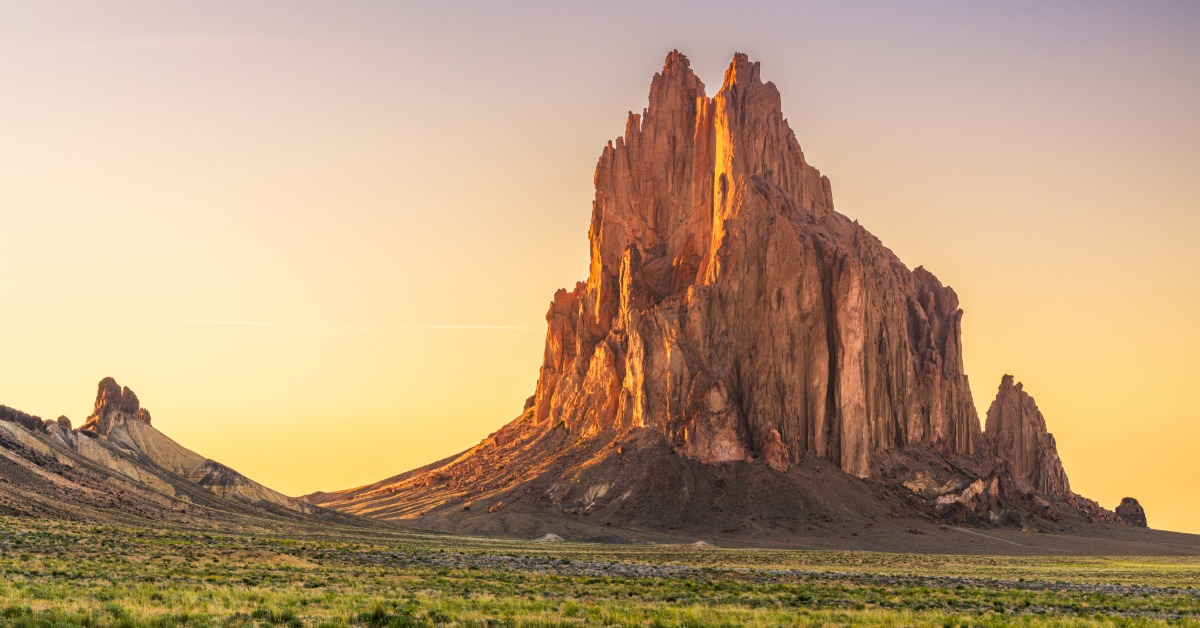
Ranch land generally includes larger parcels suitable for livestock, grazing, agricultural activities, or spacious rural living. New Mexico has a long ranching tradition, and buyers can find ranch-style properties in many of the state's rural regions.
Not every large parcel will support the same ranching activities. Vegetation, terrain, fencing, climate, access, and local land-use rules can all influence how an owner can use the acreage. Buyers interested in livestock should evaluate the actual characteristics of the property rather than focusing on acreage alone.
What Is Agricultural Land?
Agricultural parcels support farming, grazing, crop production, or other qualifying agricultural activities. The characteristics of these properties vary considerably depending on location, soil, elevation, climate, and previous use.
New Mexico also has specific requirements for land that receives agricultural classification for property valuation purposes. A buyer should not assume that a property automatically qualifies simply because it sits in a rural location or includes significant acreage. Local records and the county assessor can provide important information about a particular parcel's classification.
What Is Desert Land?
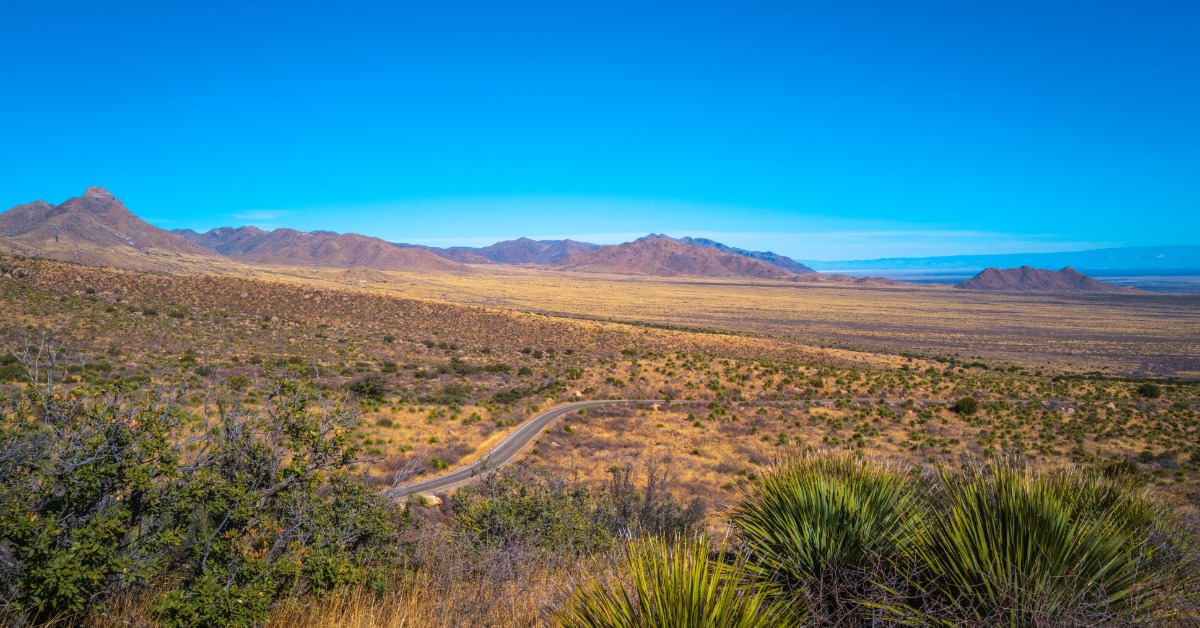
Desert and high-desert parcels represent some of the land most closely associated with New Mexico's scenery. These properties can feature wide views, open skies, rugged terrain, and substantial separation from developed communities.
Desert land can suit recreational use, long-term ownership, or future development when local rules and property conditions allow. Buyers should pay close attention to terrain and practical access. A parcel that looks close to a road on a map may still require careful research into how an owner can physically reach it.
What Is Mountain Land?
New Mexico also contains mountain and foothill parcels that offer a very different setting from open desert acreage. These properties can attract buyers who value elevation, forested surroundings, cooler conditions, scenery, and outdoor recreation.
Mountain terrain introduces its own considerations. Steep slopes can affect usable space, road construction, building plans, and vehicle access. Winter weather can also influence year-round accessibility, so buyers should consider how they intend to use the property throughout the year.
What Are Wooded or Forested Parcels?
Some areas of New Mexico contain wooded properties with pines, junipers, and other vegetation. These parcels can provide privacy, shade, wildlife habitat, and a setting that feels very different from the state's more open landscapes.
Trees can also affect property maintenance and building plans. Buyers should evaluate vegetation density, terrain, road conditions, and wildfire exposure when considering wooded acreage. Understanding the physical condition of the parcel can help buyers decide whether it matches their intended use.
What Are Off-Grid Land Parcels?
Off-grid land usually refers to property that does not rely on conventional utility connections or sits far from established infrastructure. Remote parts of New Mexico can attract buyers who value independence, privacy, and open space.
Anyone considering off-grid acreage should investigate the practical demands of the location. Important questions may include:
- How can the owner reach the parcel?
- Is electricity available nearby?
- What communication options serve the area?
- What rules govern building and site development?
- How far away are groceries, fuel, medical care, and other services?
Answering these questions early can help buyers determine whether remote ownership fits their plans.
What Are Subdivision Lots?
A subdivision divides a larger tract into individual lots. New Mexico contains subdivisions ranging from established residential neighborhoods to sparsely developed rural communities where individual parcels may cover several acres.
Subdivision lots can sometimes provide clearly defined boundaries and established road networks. However, conditions vary considerably from one development to another. Buyers should review available property documents, local regulations, road conditions, and any rules associated with the subdivision before making decisions.
What Are Large-Acreage Parcels?
Large-acreage properties can appeal to buyers who prioritize privacy, recreation, ranching, or simply having significant open space. These parcels may contain dozens or even hundreds of acres depending on the location.
More acreage does not always mean more usable land. Mountains, washes, steep slopes, rocky areas, and other natural features can shape how an owner uses a property. Buyers should consider both total acreage and the physical layout of the land.
How Does Location Affect New Mexico Parcel Types?
Location can dramatically change the character of a parcel. Land near Albuquerque, Santa Fe, Las Cruces, or another developed area may offer easier access to services, while remote properties can provide greater separation and a more rugged setting.
County and municipal rules can also differ. New Mexico communities use different zoning districts and development standards, so buyers should verify requirements with the appropriate local authority. The same general type of parcel may allow different uses depending on its exact location.
How Should Buyers Compare Different Parcels?
Buyers should start with their intended use and work backward. Someone who wants occasional recreation may accept a more remote location, while a buyer planning a full-time residence may place greater importance on reliable access, nearby services, and development feasibility.
When reviewing land in New Mexico for sale, buyers should compare more than price and acreage. Location, terrain, access, surrounding development, local regulations, and long-term plans can all influence whether a parcel makes sense for a particular purpose.
Which Type of New Mexico Land Fits Your Plans?
There is no single parcel type that works for every land buyer. New Mexico's mix of residential lots, ranch acreage, agricultural properties, desert parcels, mountain land, recreational tracts, and remote acreage gives buyers many options to consider.
The most useful starting point involves defining how you want to use the property. From there, you can focus on parcels with the location, size, terrain, accessibility, and local land-use conditions that support those goals. Careful research can turn a broad land search into a much more focused path toward finding the right New Mexico property.

