

Buying Land vs. Buying a House: What’s Better?
April 28, 2026 8:53 am PST

Choosing between buying land and buying a house shapes your financial future, lifestyle, and long-term goals. Each option offers unique advantages, and the better choice depends on how you plan to use the property. Some buyers want flexibility and investment potential, while others want immediate comfort and convenience.
This comparison breaks down the key differences so you can decide what aligns with your priorities.
What Does It Mean to Buy Land?
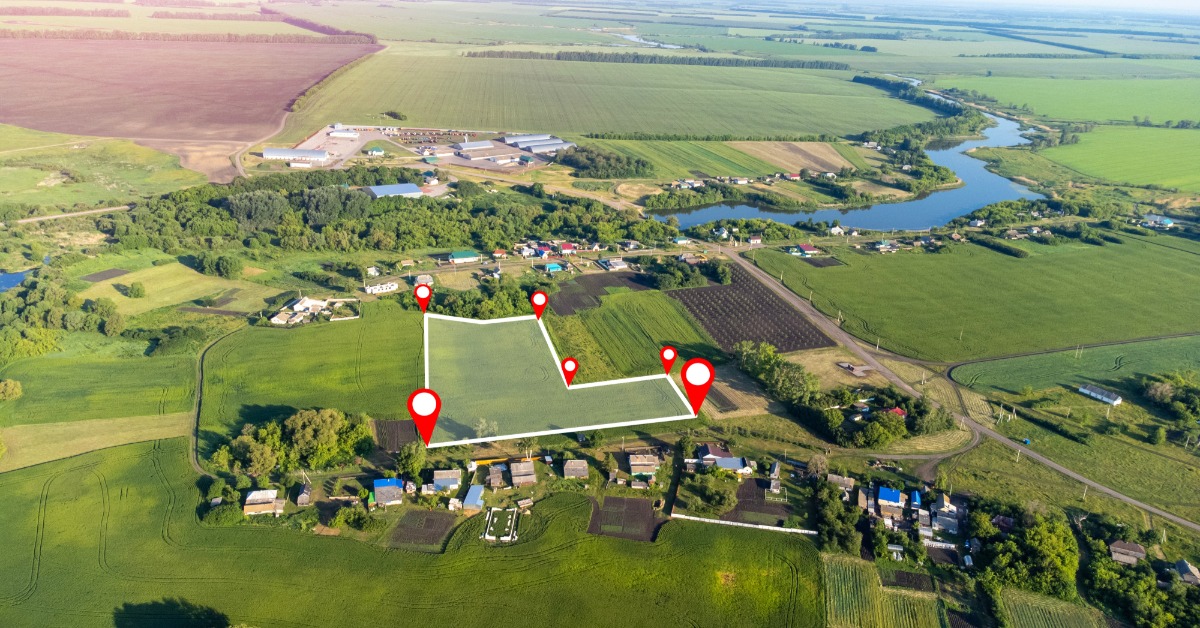
Buying land means you purchase a vacant piece of property without a structure. You gain full control over how you use and develop that land, subject to zoning and local regulations.
Many buyers look at land as a long-term investment. Others want space for recreation, farming, or building a custom home. Companies like Land Limited focus on helping buyers find and purchase land online across the country, making the process more accessible for a wide range of buyers .
What Does It Mean to Buy a House?
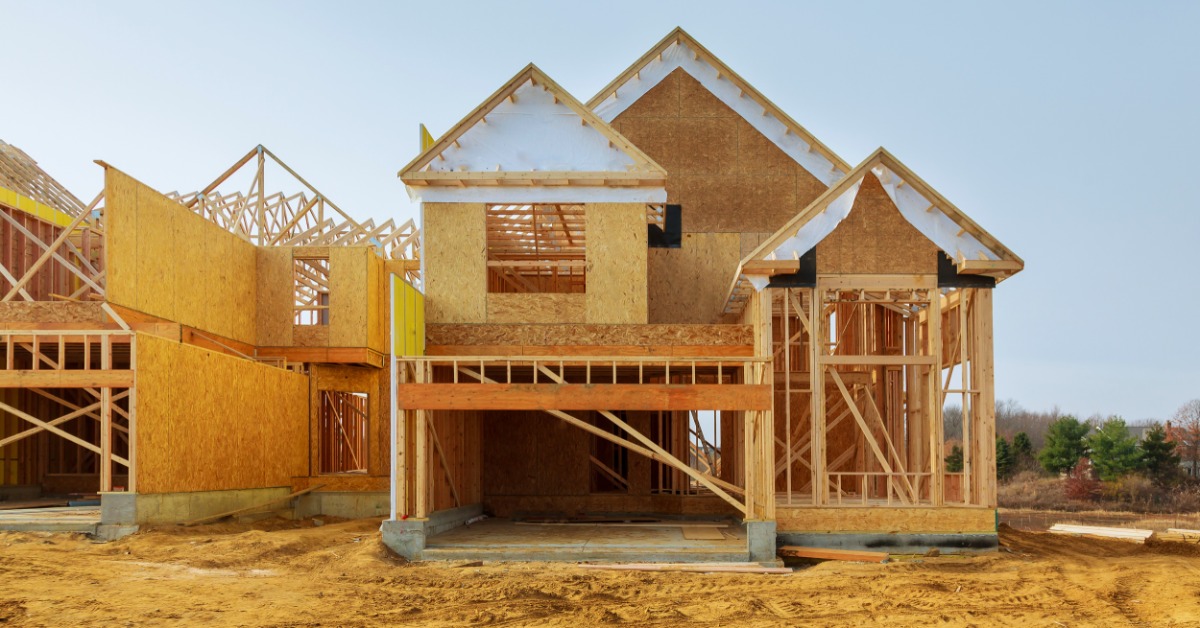
Buying a house means you purchase a property with an existing structure ready for occupancy. The home typically includes utilities, established infrastructure, and immediate livability.
This option appeals to buyers who want a faster move-in timeline and fewer development decisions.
Why Buyers Choose Land
Land attracts buyers who value flexibility and long-term potential. You can hold land, develop it later, or use it for recreation.
Here are some key reasons buyers choose land:
- Lower upfront cost compared to many homes
- Fewer maintenance responsibilities
- Greater flexibility for future use
- Potential for appreciation over time
- Opportunity to build a custom home
Land ownership also allows buyers to explore opportunities like hunting, camping, or off-grid living.
Why Buyers Choose a House
A house provides immediate functionality. You can move in quickly and start using the property without major development steps.
Many buyers prefer houses because they offer stability and convenience. You avoid construction timelines, zoning challenges, and infrastructure setup.
Cost Comparison: Land vs. House
Cost often drives the decision. Land typically costs less upfront than a house, especially in rural areas.
However, total cost depends on your plans. Raw land may require:
- Utility installation
- Road access
- Permits and surveys
- Construction expenses
A house includes these features already, but the purchase price reflects that convenience.
When comparing costs, consider both short-term affordability and long-term expenses.
Financing Differences Between Land and Houses
Financing a house usually involves traditional mortgages. Lenders view houses as lower-risk because they provide immediate value.
Land loans often come with stricter requirements. Buyers may face:
- Higher interest rates
- Larger down payments
- Shorter loan terms
Some buyers choose alternative financing or pay cash for land to simplify the process.
Flexibility and Customization
Land offers unmatched flexibility. You decide how to use it, when to build, and what to create.
You can design a home that fits your exact needs. You can also hold the land as an investment without building anything.
A house limits customization unless you invest in renovations. You must work within the existing structure and layout.
Maintenance and Responsibility
Land requires minimal upkeep. You may need to manage vegetation or maintain access, but you avoid structural repairs.
A house requires ongoing maintenance. Roofs, plumbing, electrical systems, and appliances all demand attention.
Buyers who want fewer responsibilities often lean toward land. Buyers who want comfort and convenience accept the maintenance that comes with a home.
Investment Potential
Both land and houses can appreciate in value, but they behave differently.
Land often increases in value over time, especially in growing areas. It does not depreciate like structures can.
Houses may appreciate based on location and market demand. However, the structure itself can lose value without proper upkeep.
Many investors consider land a stable, long-term asset. Demand for land for sale in America continues to grow as buyers seek space and flexibility.
Timeline to Use the Property
A house offers immediate use. You can move in as soon as the purchase closes.
Land requires planning before use. You may need to:
- Secure permits
- Install utilities
- Build structures
If you want a quick transition, a house fits better. If you can wait and plan, land offers more freedom.
Lifestyle Considerations
Your lifestyle plays a major role in this decision.
Land suits buyers who enjoy:
- Outdoor recreation
- Privacy and space
- Long-term planning
A house suits buyers who prioritize:
- Immediate comfort
- Established neighborhoods
- Proximity to amenities
Think about how you want to live day-to-day, not just what you want to own.
Risks to Consider
Every real estate purchase carries risk. Land and houses present different challenges.
With land, risks include:
- Zoning restrictions
- Limited access to utilities
- Slower resale in some markets
With houses, risks include:
- Maintenance costs
- Market fluctuations
- Property taxes tied to structures
Understanding these risks helps you make a more informed decision.
Resale and Liquidity
Houses often sell faster than land. Buyers understand homes more easily, and financing remains more accessible.
Land may take longer to sell, especially in rural areas. However, well-located land can attract strong interest from investors and developers.
If you value quick resale potential, a house may provide more liquidity.
Which Option Works Better for First-Time Buyers?
First-time buyers often choose houses because they offer simplicity. You move in, set up utilities, and start living.
However, some first-time buyers choose land for affordability and flexibility. They may plan to build later or hold the property as an investment.
Your financial situation and long-term goals should guide this decision.
When Buying Land Makes More Sense
Buying land works well if you:
- Want a lower initial investment
- Plan to build a custom home
- Value privacy and space
- Look for long-term appreciation
Land also appeals to buyers interested in recreation or off-grid living.
When Buying a House Makes More Sense
Buying a house works better if you:
- Need immediate housing
- Prefer established infrastructure
- Want easier financing options
- Value convenience over customization
This option fits buyers who prioritize stability and speed.
Final Thoughts: Land vs. House
Both options of buying land or buying a house offer strong benefits, but they serve different goals. Land gives you flexibility, lower upfront costs, and long-term potential. A house provides immediate comfort, easier financing, and predictable use.
The better choice depends on your timeline, budget, and lifestyle. Some buyers even choose both over time, starting with a home and later investing in land.
If you take time to evaluate your priorities, you can make a decision that supports your future plans with confidence.

