

12 Things To Look For in a Florida Building Lot
November 12, 2026 9:06 am PST

Buying a building lot in Florida offers an opportunity to create a home that fits your lifestyle. Whether you want a quiet rural property or a homesite near the coast, choosing the right parcel requires careful research. Florida's unique climate, environmental conditions, and local regulations can influence what you can build and how much your project will cost.
Before purchasing vacant land, you should understand the features that make a property suitable for construction. Here are twelve important things to look for when evaluating a Florida building lot.
1. Zoning Regulations and Building Restrictions
Every Florida building lot falls under local zoning regulations that determine how owners can use the property. Some areas allow single-family homes, while others permit agricultural activities or multiple residential units.
Contact the local planning or zoning department to confirm that your intended home meets current requirements. Ask about minimum home sizes, building setbacks, and restrictions on accessory structures.
You should also check for deed restrictions or homeowners association rules. These requirements can limit your construction options even when local zoning allows your proposed project.
2. Flood Zones and Flooding Risks
Florida's geography makes flooding an important consideration for anyone purchasing vacant land. Heavy rainfall, tropical storms, and hurricanes can create flooding hazards in coastal communities and inland areas.
The Federal Emergency Management Agency (FEMA) maintains flood maps that help buyers identify potential risks. However, properties outside designated high-risk flood zones can still experience flooding.
Review the property's flood zone designation and investigate its drainage history. If you plan to finance construction, your lender may require flood insurance depending on the property's location and applicable requirements.
3. Soil Conditions and Building Suitability
Soil quality plays an important role in determining whether a Florida lot can support a home. Different regions contain sandy soils, clay deposits, or areas with high organic content.
Certain soil conditions can increase foundation expenses or require additional preparation before construction begins. A geotechnical evaluation can help identify potential problems.
Look for signs of unstable ground, excessive moisture, or previous filling activities. Understanding these conditions early can help you avoid unexpected construction expenses and determine whether the property suits your building plans.
4. Road Access and Legal Entry
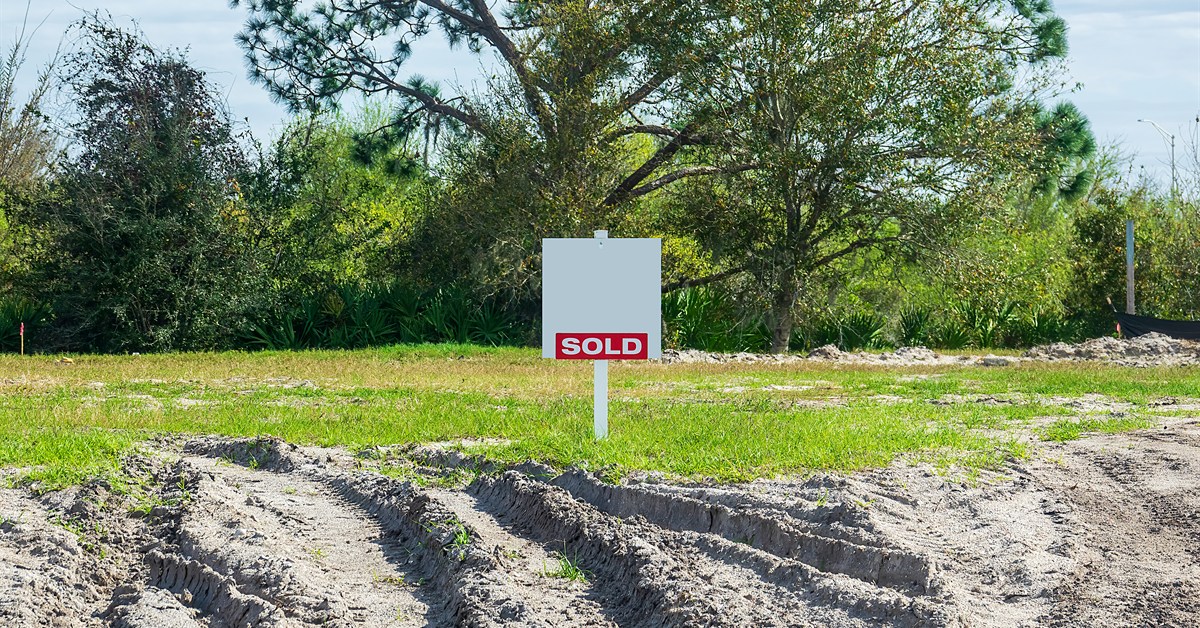
A property needs reliable access before you can comfortably use it as a homesite. Some rural Florida parcels sit along private roads, while others lack direct frontage on publicly maintained streets.
Confirm that the property has legal access through a public road or recorded easement. Physical access alone doesn't guarantee the legal right to cross neighboring land.
You should also investigate road conditions and maintenance responsibilities. Unpaved roads may become difficult to navigate during Florida's rainy season, particularly when heavy vehicles need access for construction.
5. Utility Availability and Connection Costs
Utility access can significantly affect the overall cost of developing a Florida building lot. Properties near established neighborhoods may offer convenient connections, while remote parcels often require additional infrastructure.
Before purchasing, contact local utility providers to determine what services reach the property.
Important utilities to investigate include:
- Electricity: Confirm nearby power lines and connection expenses.
- Water: Determine whether municipal service exists or a private well makes sense.
- Sewer: Check for public sewer availability or septic system requirements.
- Internet: Research broadband coverage if reliable connectivity matters.
Request estimates whenever possible. Utility installation costs can influence whether an otherwise affordable parcel fits your budget.
6. Septic System Requirements
Many rural Florida properties lack access to public sewer systems. In these locations, homeowners typically need an approved septic system to handle household wastewater.
Florida's soil characteristics and groundwater conditions can influence septic system design. Some properties may require specialized systems that increase installation expenses.
Contact the appropriate permitting authority to understand the requirements for your specific parcel. A professional site evaluation can help determine whether the land offers a suitable location for wastewater treatment.
Don't assume that a large lot automatically qualifies for septic installation. Site conditions and regulatory requirements ultimately determine feasibility.
7. Wetlands and Environmental Restrictions
Florida contains extensive wetland areas that support wildlife and natural ecosystems. While these landscapes can make properties attractive, they may also limit construction opportunities.
A parcel with wetlands might have less usable building space than its advertised acreage suggests. Environmental regulations can restrict land clearing, filling, or development near protected areas.
Review available wetland maps and consider a professional environmental assessment when conditions raise concerns. Local agencies and environmental authorities can explain which permits your proposed activities might require.
Understanding these limitations helps you evaluate the property's practical building potential before committing to a purchase.
8. Property Boundaries and Survey Information
Accurate property boundaries matter when planning a new home. Without reliable measurements, you could misunderstand where construction can occur or accidentally interfere with neighboring property.
Request an existing survey and determine whether it accurately reflects current conditions. A licensed surveyor can identify boundary lines, easements, and potential encroachments.
Survey information also helps you plan driveway placement and building setbacks. This becomes particularly important when purchasing irregularly shaped parcels or properties with limited usable space.
Clear boundary information can prevent disputes and support a smoother construction process.
9. Location and Nearby Amenities
A Florida building lot's location affects everyday convenience and long-term enjoyment. Rural properties may offer greater privacy, but they can also place essential services farther away.
Consider how frequently you'll need access to grocery stores, healthcare facilities, and major roads. If you plan to live on the property full-time, commuting distance deserves attention.
Visit the surrounding area to understand nearby development patterns. Agricultural operations, commercial properties, or future construction projects could influence your experience.
Choose a location that supports your intended lifestyle rather than focusing exclusively on the purchase price.
10. Hurricane Exposure and Wind Requirements
Florida experiences tropical storms and hurricanes, making storm resilience an important part of residential construction planning. Wind exposure can vary depending on the property's location and surrounding terrain.
Florida's building regulations establish structural requirements that help homes withstand severe weather. Coastal locations may face additional considerations related to wind speeds and construction methods.
Speak with a qualified builder about the requirements that apply to your parcel. Understanding these standards can help you develop a more realistic construction budget.
You should also consider emergency evacuation routes and access during severe weather.
11. Drainage and Land Elevation
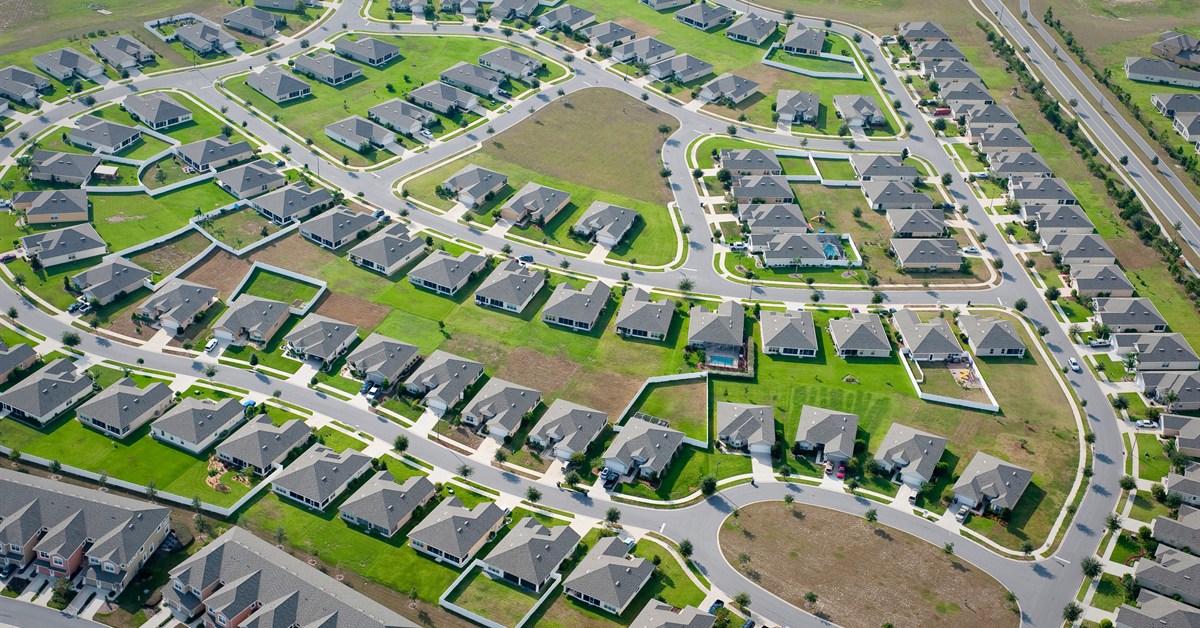
A property's elevation and drainage characteristics can affect its suitability for residential construction. Even relatively flat Florida land can contain low areas where water accumulates after rainfall.
Walk the property when possible and look for standing water, erosion, or drainage channels. Nearby roads and neighboring structures may also influence how stormwater moves across the lot.
A professional elevation survey can provide useful information about grading requirements. Some homesites may need additional site preparation to manage runoff appropriately.
Good drainage planning helps protect future structures and makes outdoor areas more usable throughout the year.
12. Total Development Costs and Future Plans
The advertised price represents only one part of the financial commitment involved in purchasing a Florida building lot. Preparing vacant land for construction can introduce expenses that buyers sometimes overlook.
When comparing lots for sale in Florida, consider clearing costs, permitting fees, utility connections, and site preparation. Requesting preliminary estimates from local contractors can help you understand the overall investment.
Research nearby development plans as well. New roads or residential communities may change the surrounding area over time.
A property that costs more initially might offer better value if it already provides convenient access and suitable building conditions.
How To Evaluate a Florida Building Lot Before Buying
After identifying a promising parcel, take time to verify its most important characteristics. Online listings provide a useful starting point, but they cannot always reveal construction limitations or property-specific concerns.
Contact the county building department and appropriate utility providers before making a final decision. Ask whether your proposed home can meet local requirements and what additional evaluations you might need.
Whenever practical, visit the land personally or arrange a professional inspection. A thorough review can help you identify concerns before they become expensive problems.
Find the Right Florida Building Lot for Your Plans
Choosing a Florida building lot involves more than finding an appealing location or affordable asking price. The right property should support your construction goals while fitting your budget and lifestyle.
By researching local regulations and evaluating site conditions, you can approach your purchase with greater confidence.
Land Limited offers vacant land opportunities for buyers interested in building their future. Browse available Florida properties and start comparing locations that match your plans.
